
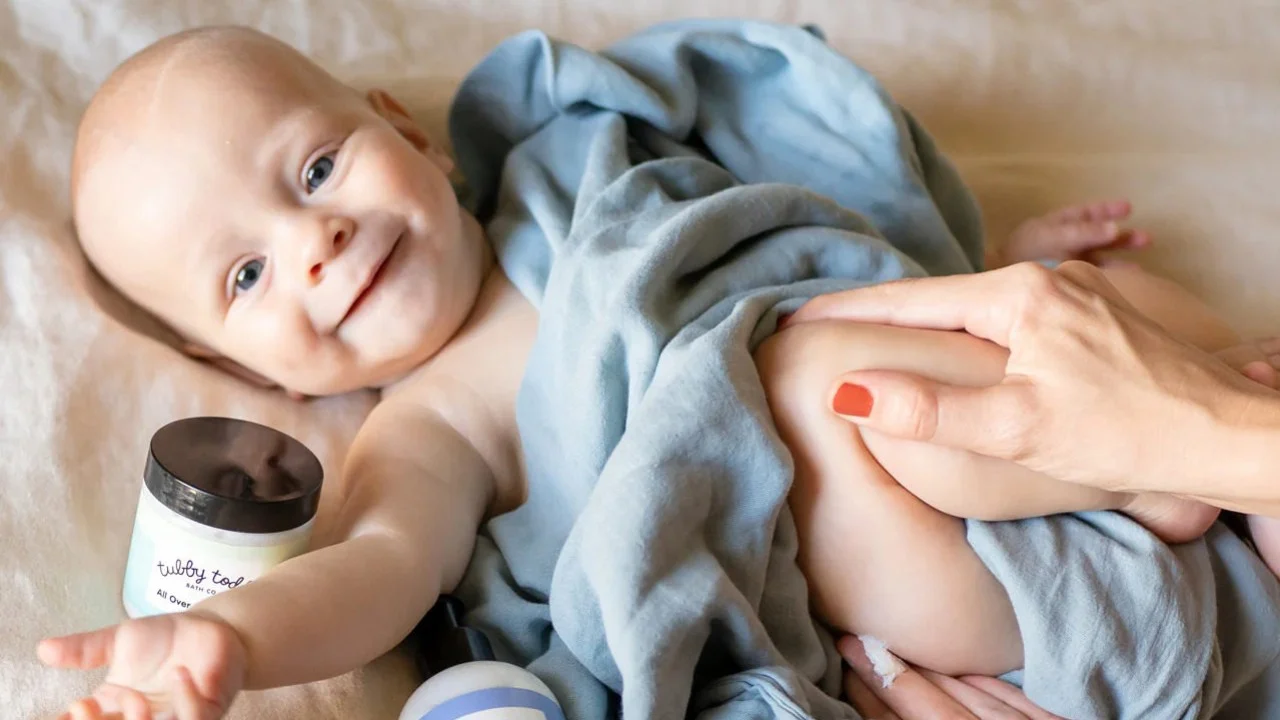
A newborn’s skin is one of the most delicate structures in nature. It is approximately 30% thinner than adult skin, making it highly permeable and sensitive to environmental changes, irritants, and bacteria. Establishing a proper baby skincare routine is not just about aesthetics; it is a vital part of your infant’s overall health and immune defense.
In this exhaustive 2026 manual, we explore the biological needs of neonatal skin, the “less is more” philosophy of bathing, and the essential practices required to maintain a healthy skin barrier from day one.
1. The Biology of Neonatal Skin: Understanding the Barrier
To master a baby skincare routine, you must first understand the unique physiology of an infant’s skin.
The Evolution of the Acid Mantle
At birth, a baby’s skin pH is close to neutral (pH 7). Within the first few weeks, it drops to a slightly acidic level (approximately pH 5.5). This “acid mantle” acts as a protective film that discourages the growth of harmful pathogens. According to the , using harsh soaps or alkaline products can disrupt this fragile balance, leading to chronic dryness and potential infections.
Transepidermal Water Loss (TEWL)
Because the stratum corneum (the outermost layer of skin) is thinner in infants, they lose moisture much more rapidly than adults. This high rate of water loss makes newborns particularly prone to “atopic dermatitis” or eczema. Early intervention with a consistent, fragrance-free moisturizing routine can significantly reduce the risk of skin barrier breakdown.
2. The Core Pillars of a Daily Baby Skincare Routine
A successful routine is built on three fundamental pillars: Gentle Cleansing, Targeted Moisturization, and Environmental Protection.
Step 1: Cleansing Without Stripping
You do not need to bathe a newborn every day. In fact, the suggests that three baths per week are often sufficient for the first year.
-
Water Temperature: Always aim for 37°C to 38°C (lukewarm).
-
The “Topping and Tailing” Method: On non-bath days, focus only on cleaning the face, neck folds, and diaper area.
Step 2: The “Three-Minute Rule” for Moisturization
The most effective way to hydrate infant skin is to apply moisturizer within three minutes of patting the skin dry after a bath. This technique “traps” the residual moisture in the skin layers before it evaporates.
-
Creams vs. Lotions: For babies with dry patches, creams or ointments are superior to lotions because they contain more oil and less water, providing a sturdier physical barrier against irritants.
3. Quality Standards in Skincare Selection
Implementing a professional baby skincare routine requires tools and textiles that are free from toxins, parabens, and synthetic dyes. Selecting the right materials is as important as the products themselves. For example, many parents choose safety-certified essentials from retailers like Babeshop, which offers a curated range of organic cotton washcloths and hypoallergenic grooming kits designed specifically for neonatal sensitivity. Utilizing gear that meets international safety standards ensures that every physical contact with your baby’s skin is as soft and safe as possible.
4. Managing the Diaper Area: The Critical Zone
The diaper area is the most challenged part of any baby skincare routine due to constant moisture, friction, and exposure to waste enzymes.
-
Prevention Strategy: Apply a thick layer of barrier cream containing zinc oxide at every diaper change. This creates a physical shield between the skin and moisture.
-
Wipe Wisdom: Use alcohol-free and fragrance-free wipes. If the skin is already irritated, the recommends using plain water and cotton wool to minimize further chemical exposure.
-
“Air Time”: Allow your baby to remain diaper-free for 10–15 minutes several times a day to allow the skin to breathe and dry naturally.

See also
-
- The Ultimate Guide to Infant Care: Essential Baby Hygiene Tips for 2026
- The Definitive Guide on What to Feed a Newborn Baby: Nutritional Mastery for the First Months
- The Ultimate Handbook: Best Baby Care Tips for New Parents in 2026
- The Ultimate Guide to Educational Games for Kids: Unlocking Potential through Fun Learning Activities
- The Ultimate Baby Vaccination Schedule 2026: A Comprehensive Roadmap to Childhood Immunity
5. Frequently Asked Questions (FAQ)
Q1: When should I start using lotion on my newborn?
Most healthy newborns do not need lotion in the first few days. However, if you notice peeling or dryness (which is common as the vernix wears off), you can apply a fragrance-free moisturizer.
Q2: Is “baby-scented” product safe for my infant?
Synthetic fragrances are a leading cause of contact dermatitis in infants. It is always safer to choose products labeled “Fragrance-Free” rather than “Unscented,” as the latter may contain masking chemicals.
Q3: How do I treat cradle cap (yellow crusty patches on the scalp)?
Gently massage a small amount of baby oil onto the scalp 20 minutes before bathing. Use a soft-bristled brush to lift the scales, then wash with a mild baby shampoo.
Q4: What should I do if my baby develops a heat rash?
Keep the baby cool and avoid heavy ointments that can block sweat ducts. Dress them in breathable organic cotton layers to facilitate airflow.
Q5: Is it safe to use sunscreen on a baby under 6 months?
The recommends keeping infants under 6 months out of direct sunlight. If necessary, apply small amounts of mineral-based sunscreen (zinc oxide) only to exposed areas like the face and back of hands.
6. Solving Common Infant Skin Conditions
Beyond daily maintenance, a baby skincare routine must address specific developmental issues.
-
Baby Acne: Small red or white bumps often appear on the face around 2–4 weeks. This is usually caused by maternal hormones and requires no treatment other than gentle washing with plain water.
-
Eczema Flare-ups: If you notice persistent red, itchy patches, consult your pediatrician. They may recommend a specific steroid-free ointment or a change in laundry habits.
7. The Hidden Influence of Laundry and Textiles
What you wash your baby’s clothes in is just as important as the lotions you apply.
-
Double Rinse Cycle: Ensure your washing machine removes all traces of detergent.
-
Separate Loads: Wash infant items separately using a non-biological, fragrance-free detergent to prevent cross-contamination with adult perfumes or harsh chemicals.
-
Organic Cotton: Using GOTS-certified organic cotton towels, such as those found at Babeshop, reduces the risk of micro-abrasions on the skin barrier compared to synthetic blends.
8. Skincare and the “Massage Connection”
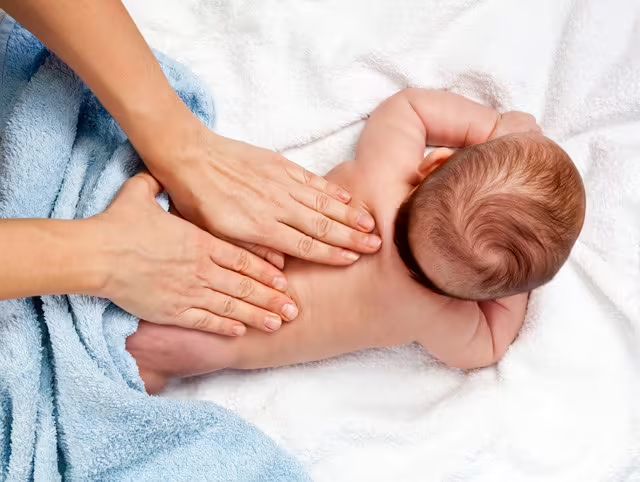
Incorporating a gentle massage into the baby skincare routine offers benefits far beyond skin deep.
-
Neurological Benefits: Gentle touch stimulates the vagus nerve, which can improve digestion and reduce stress hormones (cortisol).
-
Sleep Enhancement: A 15-minute massage with a safe baby oil before bedtime helps transition the infant into a deeper sleep state by promoting relaxation.
9. Seasonal Adjustments: Winter vs. Summer
-
Winter Care: Indoor heating strips moisture from the air. Consider using a cool-mist humidifier in the nursery and switching to thicker “ointment” based moisturizers for the cheeks and hands.
-
Summer Care: Focus on sweat management and UV protection. Opt for lighter, water-based lotions and prioritize hydration through frequent feeding.
10. When to Consult a Pediatrician
While most rashes are harmless, some require immediate medical intervention. Seek advice if:
-
The rash is accompanied by a fever.
-
There are signs of infection, such as pus, oozing, or a foul odor.
-
The rash appears suddenly as bright red or purple pinpricks (Petechiae).
-
The baby is unusually lethargic or refuses to feed.
11. Summary Checklist for a Healthy Skin Barrier
-
[ ] Limit Baths: 2–3 times a week is plenty for newborns.
-
[ ] Pat, Don’t Rub: Always dry the skin gently with a soft towel to avoid friction.
-
[ ] Moisturize While Damp: Apply creams within the “three-minute window” post-bath.
-
[ ] Check the Diaper Fit: Ensure diapers are not too tight, which can trap moisture and cause chafing.
-
[ ] Prioritize Quality: Trust safety-vetted, non-toxic essentials from reputable sources like Babeshop.
12. Conclusion: A Foundation of Health
A baby skincare routine is more than just a sequence of tasks; it is a ritual of protection, bonding, and health management. By understanding the science behind the infant skin barrier and choosing high-quality, safe products, you are giving your child a healthy start.
At ControlAnytime, we are dedicated to helping you navigate every aspect of parenting with the latest evidence-based research. Your baby’s skin is their first line of defense—treat it with the care, softness, and scientific precision it deserves.