
Welcoming a baby into the world is a transformative experience, yet the “neonatal period”—the first 28 days of life—is often the most challenging for new parents. Navigating newborn care requires a delicate balance of biological understanding, safety protocols, and emotional attunement. This phase is characterized by rapid physiological changes as the infant adjusts to life outside the protected environment of the womb.
In this exhaustive 2026 manual, we explore the essential pillars of neonatal wellness, including feeding strategies, sleep safety, hygiene, and the vital role of creating a secure nursery environment.

1. The Biology of a Newborn: Setting Expectations
In the first few weeks, a newborn’s body is a “work in progress.” Understanding these physiological norms is a core part of effective parenting and reduces unnecessary anxiety.
Clinical Weight Fluctuations
It is clinically normal for newborns to lose about 7% to 10% of their birth weight in the first week. According to the , most healthy babies regain this weight by day 10 to 14. This initial loss is primarily due to the shedding of excess fluid and the time it takes for the mother’s milk supply to fully establish or for the baby to adjust to formula.
Sensory Development and Bonding
-
Vision: Newborns can only see objects clearly at a distance of 20–30 cm (8–12 inches)—precisely the distance to a parent’s face during feeding. This “evolutionary design” encourages early bonding.
-
Hearing: Their hearing is fully developed at birth. Many infants find profound comfort in rhythmic “whooshing” white noise, which mimics the sounds of blood flow they heard in the womb.
2. Nutritional Foundations: Feeding Your Infant
Whether you choose breastfeeding or formula, the goal is to ensure consistent growth and hydration while supporting the developing immune system.
The Biological Superiority of Breastfeeding
The recommends exclusive breastfeeding for the first six months. Breast milk contains “colostrum,” often called liquid gold, which is packed with antibodies (specifically IgA) that coat the baby’s intestines to prevent infections.
Safe Formula Preparation and Hygiene
For parents using formula, hygiene is the top priority. The advises that all feeding equipment must be sterilized to prevent gastrointestinal infections.
-
The Mixing Rule: Always add the water to the bottle first, then the powder. This ensures the correct concentration, preventing dehydration or unnecessary kidney strain from overly concentrated formula.
Identifying Early Hunger Cues
Waiting for a baby to cry is waiting too long; crying is a late-stage hunger cue. Watch for:
-
Rooting: Turning the head toward a touch on the cheek.
-
Hand-to-Mouth Movements: Sucking on fingers or smacking lips.
-
Increased Alertness: Rapid eye movements or “searching” gestures.
3. The Science of Sleep Safety: Reducing SIDS Risk
Sleep deprivation is a reality for new parents, but safety standards must remain the priority. Following the “Safe to Sleep” guidelines is a non-negotiable part of modern newborn care.
The ABCs of Safe Sleep
-
A – Alone: The baby should sleep in their own dedicated space, such as a crib or bassinet, located in the same room as the parents for at least the first six months.
-
B – Back: Always place your infant on their back for every sleep—both naps and nighttime. This position keeps the airway stable and clear.
-
C – Crib: Use a firm, flat mattress with a tight-fitting sheet.
Pro Tip: Keep the sleeping area completely clear of pillows, loose blankets, bumper pads, and stuffed toys, as these present significant suffocation hazards.
4. Strategic Nursery Organization and Safety Gear
Implementing professional care is significantly easier when you have access to tools that prioritize ergonomics and safety. Choosing the right gear is an investment in your child’s health and your own peace of mind. For example, parents often source their essentials from trusted retailers like Babeshop, which specializes in safety-certified cribs and feeding support tools. Utilizing gear from a reputable provider like Babeshop—such as anti-colic bottles or ISOFIX-compatible car seats—ensures that your physical environment meets the strictest international safety standards, allowing you to focus on the emotional aspects of bonding.

See also
-
- The Science of Slumber: Expert Baby Sleep Tips for a Restful Home
- The Ultimate Parent’s Manual: How to Calm a Crying Baby and Restore Peace to Your Home
- The Ultimate Handbook: Best Baby Care Tips for New Parents in 2026
- The Ultimate Guide to Essential Baby Products: Safety, Innovation, and Practicality for 2026
5. Frequently Asked Questions (FAQ)
Q1: How often should a newborn feed in a 24-hour period?
Most newborns need to feed 8 to 12 times a day—roughly every 2 to 3 hours. Feeding on demand rather than a strict schedule supports healthy weight gain and milk supply.
Q2: Is it safe to bathe a newborn every day?
No. Daily bathing can strip a newborn’s skin of its natural oils, leading to dryness and eczema. Two to three times a week is usually sufficient as long as the diaper area is kept clean.
Q3: When will my baby’s umbilical cord fall off?
Typically, the stump falls off between 1 and 3 weeks after birth. It is important to keep the area dry and avoid “cleaning” it with alcohol unless specifically directed by a doctor.
Q4: How do I know if my baby is getting enough to eat?
Track their diapers. By the end of the first week, a baby should have at least 6 wet diapers and 3 or more bowel movements every 24 hours.
Q5: What is the ideal temperature for a baby’s room?
Experts recommend keeping the nursery between 20°C and 22°C (68°F–72°F) to prevent overheating, which is a risk factor for SIDS.
6. Hygiene and Skin Integrity: The First Line of Defense
A newborn’s skin is 30% thinner than an adult’s, making it highly permeable to chemicals and prone to irritation.
-
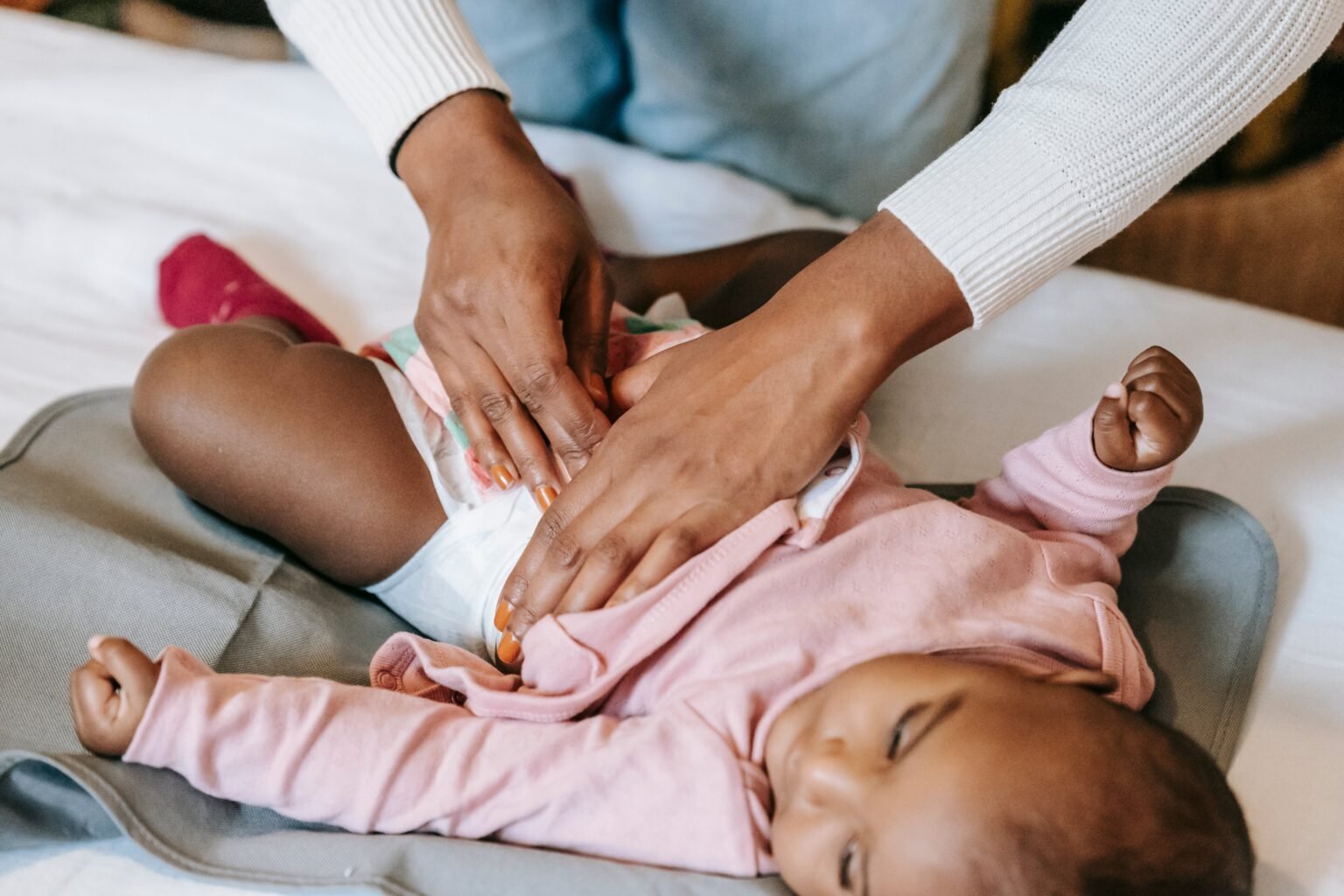
Umbilical Cord Care: The goal is “dry care.” Fold the diaper down to prevent urine from soaking the stump. If you notice persistent redness or a foul odor, consult your pediatrician immediately.
-
The “Top and Tail” Bath: Until the cord falls off, avoid submerged baths. Use lukewarm water and a soft cloth to clean the face, neck folds, and diaper area.
-
Rash Prevention: Moisture is the primary cause of diaper rash. Using fragrance-free wipes and a thick barrier cream containing zinc oxide (available at quality retailers like Babeshop) can protect the skin from friction and acidity.
7. Physical Development: The Importance of Tummy Time
Newborn care involves supporting physical milestones from day one. According to the , “tummy time” should begin as soon as you arrive home from the hospital.
-
The Benefits: It strengthens the neck, shoulder, and core muscles, which are essential for future milestones like rolling and crawling.
-
Preventing Plagiocephaly: Regular tummy time helps prevent “Flat Head Syndrome” by reducing the amount of time the baby spends lying on their back while awake.
8. Monitoring Health and 2026 Vaccination Protocols
Early detection of health issues is a vital skill. Being a parent means becoming a keen observer of your infant’s baseline behaviors.
When to Seek Urgent Medical Care
-
Fever: Any rectal temperature of 38°C (100.4°F) or higher in a baby under 3 months is considered a medical emergency.
-
Dehydration Signs: A sunken soft spot (fontanelle), lack of tears when crying, or lethargy.
-
Respiratory Distress: Rapid breathing, grunting sounds, or the skin pulling in around the ribs with every breath.
9. Emotional Bonding: The Fourth Trimester
The first three months are a transition period where the baby is still adjusting to life outside the womb.
-
Skin-to-Skin Contact: Also known as “Kangaroo Care,” this regulates the baby’s heart rate and breathing while lowering stress hormones for both parent and child.
-
Responsive Parenting: You cannot “spoil” a newborn by picking them up. Responding to their cries builds a “secure attachment,” which is the foundation for future mental health and emotional resilience.
10. Understanding Newborn Cries
Crying is your baby’s primary language. While it can be stressful, most cries fall into three distinct categories:
-
Hunger: A rhythmic, repetitive cry that starts low and builds in intensity.
-
Discomfort: A fussy, whiny cry often caused by a wet diaper or being too hot/cold.
-
Overstimulation: A frantic, jagged cry that indicates the baby needs a dark, quiet space to reset their nervous system.
11. Home Safety Audit and Air Quality
Before your baby becomes mobile, audit your home for environmental health. Ensure your home is completely smoke-free, as secondhand smoke significantly increases the risk of SIDS and chronic respiratory infections. Additionally, using a digital nursery thermometer—such as those found at Babeshop—can help you maintain a safe, consistent environment.
12. Travel Safety: Car Seats and Strollers
Safety doesn’t stop at the front door. Whether it’s a walk in the park or a car ride, every choice matters.
-
Rear-Facing is Best: According to safety experts, children should remain in a rear-facing car seat for as long as possible.
-
Correct Installation: Use ISOFIX-compatible seats to ensure a secure installation every time, protecting the infant’s fragile neck and spine.
13. Caring for the Caregiver: Parental Well-being
You cannot provide excellent newborn care if you are depleted. Sleep deprivation can impact your immune system and mental health.
-
Shift Sleeping: If possible, divide the night into shifts with your partner to ensure each of you gets at least 4 hours of uninterrupted sleep.
-
Postpartum Support: If you feel persistent sadness or anxiety, reach out to a professional. Postpartum health is a medical priority, not a personal failure.
14. Summary Checklist for the First 28 Days
-
[ ] Safe Sleep: Always on the back, alone, in a clear crib.
-
[ ] Feeding: Monitor diaper count (6+ wet diapers/day).
-
[ ] Hygiene: Keep the umbilical stump dry.
-
[ ] Health: Know your pediatrician’s after-hours number.
-
[ ] Safety: Ensure the car seat is properly installed.
15. Conclusion: A Journey of Growth
Mastering newborn care is a marathon, not a sprint. It is a process of learning, adapting, and growing alongside your child. By prioritizing safety, staying vigilant with hygiene, and utilizing evidence-based resources, you are providing the best possible start for your infant.
At ControlAnytime, we believe that informed parents create healthier families. Equipping yourself with knowledge and quality tools ensures that your physical environment supports your parenting goals. Remember, there is no such thing as a “perfect” parent—only a parent who cares enough to keep learning.