
Sleep is the biological cornerstone of healthy infant development. It is during these quiet, restorative hours that a baby’s brain processes the day’s cognitive learning, their body releases essential growth hormones, and their immune system strengthens against pathogens. Yet, for many parents, achieving consistent nocturnal rest feels like an elusive goal.
Understanding the mechanics of infant rest is not just about parental convenience; it is about creating a physiological foundation for your child’s long-term wellness. In this exhaustive 2026 manual, we explore the architecture of sleep, safety protocols, environmental optimization, and the transition into healthy long-term habits.
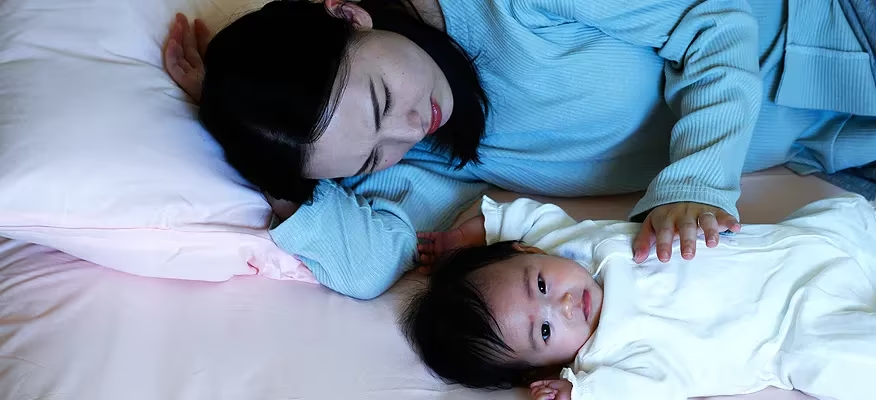
1. The Biology of Infant Sleep: A Different Architecture
To implement successful strategies, one must first recognize that a baby’s sleep structure is fundamentally different from that of an adult.
Rapid Sleep Cycles
While an adult sleep cycle typically lasts about 90 minutes, an infant’s cycle is significantly shorter, lasting only 50 to 60 minutes. This means babies enter “active sleep” (REM) more frequently. Consequently, they are biologically prone to waking up between these shorter cycles, often requiring assistance to transition back into deep sleep.
Circadian Rhythm and Melatonin
Newborns are not born with a functional “biological clock.” They do not produce melatonin—the hormone responsible for sleep—in significant amounts until they are approximately 8 to 12 weeks old. According to the Sleep Foundation, light exposure during the day and consistent darkness at night are the primary external cues for setting this internal clock.
2. The Core Pillar: Safe Sleep Standards (ABC)
Safety is the most critical element of infant care. Sudden Infant Death Syndrome (SIDS) and accidental suffocation risks can be mitigated by adhering to the “ABC” guidelines established by the American Academy of Pediatrics (AAP).
-
A – Alone: The baby should sleep in their own dedicated space, such as a safety-certified crib or bassinet. Bed-sharing is discouraged by major health organizations due to the risk of accidental overlay or suffocation from adult bedding.
-
B – Back: Always place your infant on their back for every sleep period—both naps and nighttime. This position keeps the airway stable and prevents the “rebreathing” of exhaled carbon dioxide.
-
C – Crib: Use a firm, flat mattress with a tight-fitting sheet.
The “Clear Crib” Rule: According to the CDC, the sleeping area must remain free of pillows, blankets, bumper pads, and stuffed toys. If the environment is cold, a wearable sleep sack is a safer alternative to a loose blanket.
3. Environmental Optimization: The “Sleep Sanctuary”
A baby’s surroundings dictate the quality and duration of their rest. Small, science-backed adjustments in the nursery can lead to significantly longer sleep stretches.
Temperature and Air Quality
The ideal nursery temperature is between 20°C and 22°C (68°F–72°F). Overheating is a major risk factor for sleep-related distress. Ensuring adequate ventilation and maintaining a consistent temperature using a digital nursery thermometer is essential.
The Power of Total Darkness
Light signals the brain to stay alert. Using blackout curtains can help bridge the gap between sleep cycles, especially during early morning hours when the sun begins to rise. Conversely, keeping the home bright and active during the day helps the infant distinguish between “nap time” and “long sleep.”
4. Equipping the Nursery for Success
Implementing professional standards for sleep requires equipment that meets international safety certifications. When it comes to where your baby sleeps, the quality of the materials is non-negotiable.
Parents often look to reputable retailers like Babeshop to source safety-vetted essentials. Whether it is a safety-certified crib with non-toxic finishes or ergonomic organic cotton swaddles designed to prevent the “Moro” (startle) reflex, utilizing gear from a trusted provider like Babeshop ensures that the physical environment is as secure as the care you provide. This integration of quality gear and informed parenting forms a comprehensive safety net for the infant.

See also
-
- The Ultimate Manual for Infant Protection: Mastering Baby Safety in 2026
- The Ultimate Parent’s Manual: How to Calm a Crying Baby and Restore Peace to Your Home
- The Ultimate Handbook: Best Baby Care Tips for New Parents in 2026
- The Ultimate Baby Vaccination Schedule 2026: A Comprehensive Roadmap to Childhood Immunity
- The Ultimate Guide to Essential Baby Products: Safety, Innovation, and Practicality for 2026
5. Frequently Asked Questions (FAQ)
Q1: When do babies typically start sleeping through the night?
Most infants reach the milestone of sleeping a 6-to-8-hour stretch between 4 and 6 months of age. However, this varies based on weight, feeding frequency, and developmental maturity.
Q2: Is white noise safe for my baby?
Yes, white noise can be very effective as it mimics the rhythmic sounds of the womb. However, the NHS recommends placing the machine at least 2 meters away from the baby and keeping the volume at a moderate level (similar to a soft shower).
Q3: What should I do during a “Sleep Regression”?
Regressions (common at 4, 8, and 12 months) are actually signs of brain progression. Stay consistent with your routine and avoid introducing new “sleep crutches” like driving the baby in a car to get them to settle.
Q4: How many naps does a 6-month-old need?
Typically, a 6-month-old needs two to three naps per day, totaling about 3 to 4 hours of daytime sleep. Monitoring “wake windows” is the best way to prevent overstimulation.
Q5: Can I use a positioner to keep my baby on their back?
No. The FDA and AAP advise against using sleep positioners or “nests,” as they can create a suffocation hazard if the baby’s face presses against the soft material.
6. Establishing a Consistent Bedtime Routine
Consistency is a powerful biological signal. A repetitive, 20-minute routine helps lower a baby’s cortisol levels and prepares their nervous system for melatonin production.
-
The Warm Bath: The slight drop in core body temperature after a bath mimics the natural cooling the body experiences before falling into deep sleep.
-
Gentle Massage: Using fragrance-free, hypoallergenic oils promotes relaxation and strengthens the parent-child bond.
-
The Focused Feed: Ensure the baby is full, but try to keep them slightly awake during the final moments to avoid a total “feed-to-sleep” association.
-
The Calm Activity: Reading a book or singing a lullaby in a low-frequency voice provides a sense of security.
7. Mastering the “Drowsy but Awake” Technique
One of the most effective strategies for long-term sleep success is teaching a baby to fall asleep independently.
-
The Concept: Place the baby in their crib when they are heavy-eyed and relaxed, but still aware they are being put down.
-
The Long-term Benefit: If a baby learns to fall asleep in their own space, they are significantly more likely to self-soothe back to sleep when they naturally wake up between sleep cycles at 2 AM.
8. Managing Naps: The Daytime Strategy
Daytime sleep directly impacts nighttime quality. An “overtired” infant produces excess cortisol and adrenaline, which acts as a stimulant, making it much harder for them to settle at night.
-
Wake Windows: For a 3-month-old, the window of awake time is usually 60 to 90 minutes. By 9 months, this extends to nearly 3 hours.
-
The “Nap Gap”: Avoid letting your baby take a long nap late in the afternoon (typically after 4:30 PM), as this can interfere with their natural drive for nighttime sleep.
9. The Role of Nutrition in Rest
What an infant consumes during the day affects their ability to stay asleep.
-
Full Feeds: Encourage “full feedings” rather than small snacks to ensure the baby isn’t waking up solely out of calorie-deficit hunger.
-
Iron Levels: Low iron levels in infants over 6 months have been linked to restless sleep and frequent waking. Ensure the diet includes iron-rich solids once they transition from exclusive milk feeding.
10. Travel and On-the-Go Sleep Management
Maintaining a routine while away from home is difficult but vital.
-
The “Scent” of Home: Using an unwashed crib sheet from home on a travel cot can provide a familiar sensory cue that helps the baby feel secure in a new environment.
-
Portable Blackout Blinds: Utilizing travel-sized blackout solutions, like those found at Babeshop, can help maintain the dark environment your baby is used to, even in a bright hotel room.
11. Sleep Regressions: Understanding the Progressions
At various stages, many babies experience a sudden disruption in sleep. This is often a sign that the brain is busy mastering a new skill, such as rolling, crawling, or babbling.
-
Stay the Course: These phases usually last 1 to 2 weeks. The key is to remain patient and avoid introducing new habits that you don’t want to maintain long-term.
12. The “Step Away” Rule for Parental Well-being
Sleep deprivation can lead to extreme parental frustration. If the baby is crying and you feel you are losing your composure:
-
Place the baby safely in the crib.
-
Leave the room for 5 to 10 minutes to breathe and reset.
-
Return when you are calm. A baby is safe crying in a crib for a few minutes; they are not safe in the arms of an overwhelmed caregiver. Parental mental health is a fundamental component of a healthy home.

13. Conclusion: Patience and Persistence
Mastering infant sleep is a journey of trial and error. There will be nights of progress followed by periods of frustration. However, by prioritizing safety, environmental consistency, and utilizing quality gear from trusted sources like Babeshop, you are providing your child with the best possible chance for restorative rest.
At ControlAnytime, we believe that a well-rested baby is a thriving baby. Stay consistent, trust the science, and remember that these developmental phases are temporary. With the right approach, a restful home is within reach.