
In the eyes of a child, the world is one vast playground. However, as parents and educators, we recognize that every interaction and challenge is a hidden lesson. At ControlAnytime, we believe that learning through play is not just a theory—it is the most effective biological mechanism for childhood development.
When children engage in educational games for kids, their brains become more receptive to new concepts, enhanced problem-solving, and emotional maturity. This guide explores why interactive games are essential for cognitive health and provides a curated library of fun learning activities for every developmental stage.
1. The Science of Learning Through Play
Why is play such a powerful pedagogical tool? According to Healthline, when children engage in stimulating activities, their brains release dopamine, a neurotransmitter associated with reward and motivation. This makes the learning process inherently enjoyable, ensuring that new information is retained long-term.
Cognitive Flexibility and Executive Function
Play encourages “cognitive flexibility”—the ability to switch between different concepts or think about multiple ideas simultaneously. Whether it is a complex puzzle or a strategy-based board game, these interactive games strengthen the prefrontal cortex, which the NHS identifies as the area responsible for focus and decision-making.
2. Choosing Educational Games for Kids by Age Group
To maximize early childhood development, the complexity of a game must align with the child’s specific baby milestones.
-
0 to 12 Months (Sensory Exploration): At this stage, games center on cause-and-effect. “Peek-a-Boo” is a classic example that teaches “object permanence,” while textured sorting sets aid in tactile cognitive growth.
-
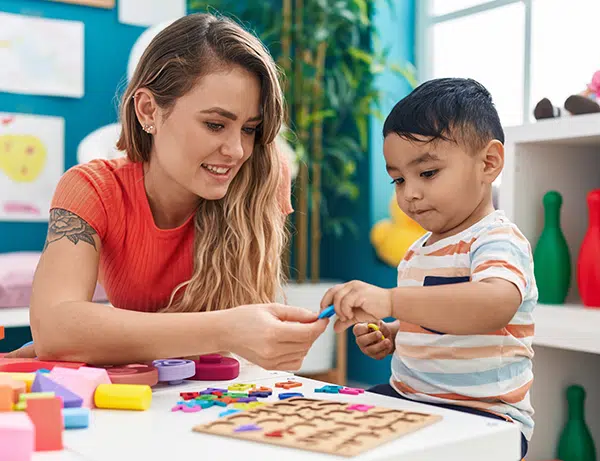
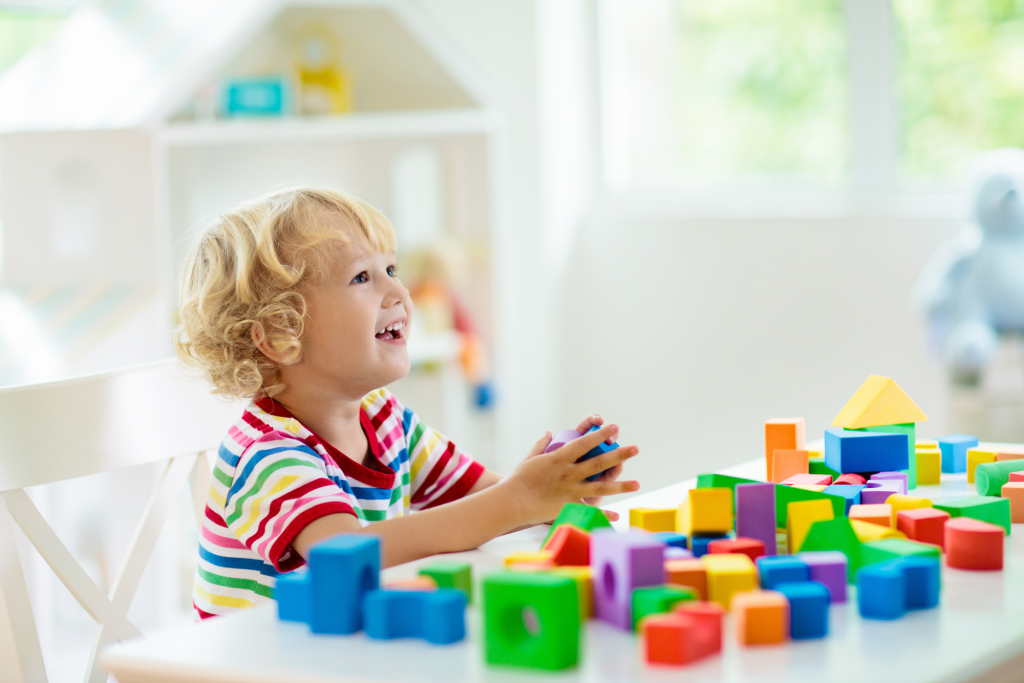
12 to 24 Months (Fine Motor Mastery): Shape sorters and stacking rings are quintessential educational games for kids at this age. They teach spatial awareness and hand-eye coordination.
-
2 to 5 Years (The Golden Age of Imagination): Roleplay and memory-match games are vital. These fun learning activities boost short-term memory and social-emotional intelligence.
For parents looking to equip their home with high-quality tools, Babeshop.com offers a specialized selection of “Interactive Wooden Puzzles” that perfectly combine fine motor practice with logical thinking.
3. DIY Fun Learning Activities: High Impact, Low Cost
You don’t always need specialized equipment to facilitate learning through play. Here are some effective activities you can try at home:
-
The “Kitchen Science” Lab: Mixing baking soda and vinegar (under supervision) teaches basic chemical reactions and observation skills.
-
The Scavenger Hunt: Asking a child to find “something soft” or “something starting with the letter B” builds vocabulary and categorization skills.
-
Simon Says: This classic game is an excellent “focus builder,” teaching impulse control and active listening—skills the CDC highlights as vital for school readiness.
4. Digital Interactive Games: Finding the Right Balance
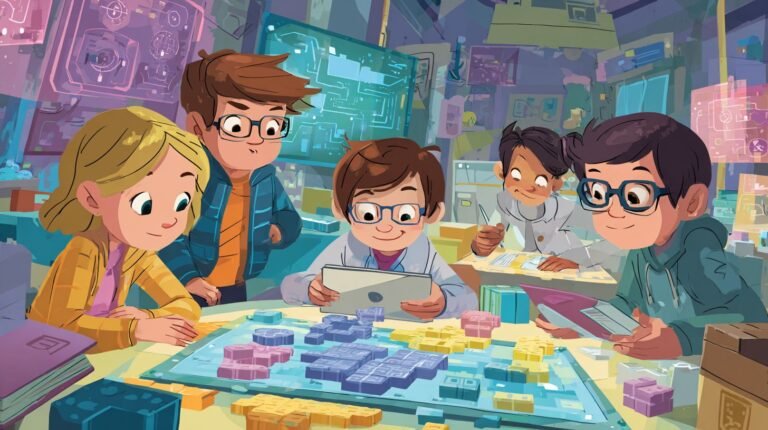
In today’s tech-integrated world, many educational games for kids are found on tablets. To ensure these remain beneficial:
-
Prioritize Quality: Choose apps that are open-ended and require critical thinking rather than mindless tapping.
-
The “Co-Play” Rule: Engage with your child during screen time. Ask questions about the game to turn a passive experience into an active learning session.
-
The 1:2 Ratio: For every hour of digital play, aim for at least two hours of physical, hands-on learning through play.
See also
- Picky Eater Solutions: How to Handle Picky Eaters and Turn Mealtime into Playtime
- The Complete Manual for Toddler Nutrition Feeding Toddlers: Raising Healthy and Adventurous Eaters
- The Ultimate Guide to Smart Baby Monitors: How ControlAnytime Protects Your Baby 24/7
- Essential Baby Health Tips: A Comprehensive Guide to Newborn Care, Hygiene, and Safety
5. Preparing for School Through Interactive Play
Success in the classroom often begins at the play table. Interactive games build the “soft skills” that educators value most:
-
Attention Span: Sustaining focus on a board game is the first step toward focusing on a classroom lesson.
-
Collaboration: Team-based games teach children how to listen to others and work toward a common goal.
-
Resilience: Losing a game provides a safe environment for a child to learn how to manage frustration—a key component of emotional intelligence.
6. Safety and Quality in Educational Play
When selecting educational games for kids, safety is non-negotiable.
-
Age Appropriateness: Always adhere to age labels, as they often signal potential choking hazards or chemical safety standards.
-
Durable Materials: Prioritize high-quality, BPA-free plastics or sustainably sourced wood that won’t splinter. At Babeshop.com, products are rigorously vetted to meet international safety standards, ensuring a worry-free play environment.
Conclusion: The Heart of Childhood is Play
The journey of early childhood development is paved with curiosity and laughter. By prioritizing educational games for kids and creating a home filled with fun learning activities, you are doing more than just keeping your child busy—you are architecting their future.
At ControlAnytime, we are dedicated to helping you find the perfect balance between education and entertainment. Are you ready to transform your home into a vibrant learning environment?