Maintaining a high standard of cleanliness for your newborn is about much more than just a fresh scent. Because an infant’s immune system and skin barrier are still developing, proper hygiene acts as the first line of defense against infections and discomfort. Mastering baby hygiene tips is a fundamental skill for every parent, ensuring that your child’s environment remains a sanctuary for healthy growth.
In this guide, we explore the science of skin protection, the mechanics of safe bathing, and the essential routines for maintaining a germ-free nursery.
1. The Science of Infant Skin: Why Gentleness is Key
A baby’s skin is 30% thinner than an adult’s and has a different pH level at birth. This makes it more susceptible to irritants and moisture loss. According to the Mayo Clinic, maintaining the skin’s natural protective film is crucial for preventing conditions like eczema and contact dermatitis.
Effective baby hygiene tips begin with the understanding that “less is often more.” Over-washing or using harsh chemicals can strip away natural oils, leading to irritation.
2. Bathing Basics: Frequency and Safety
In the first few weeks, a full immersion bath is not necessary. The NHS recommends “topping and tailing” (washing just the face, neck, hands, and bottom) until the umbilical cord stump has fallen off.
The Ideal Bathing Routine
-
Frequency: 2 to 3 times a week is sufficient for most infants. Daily bathing can dry out sensitive skin.
-
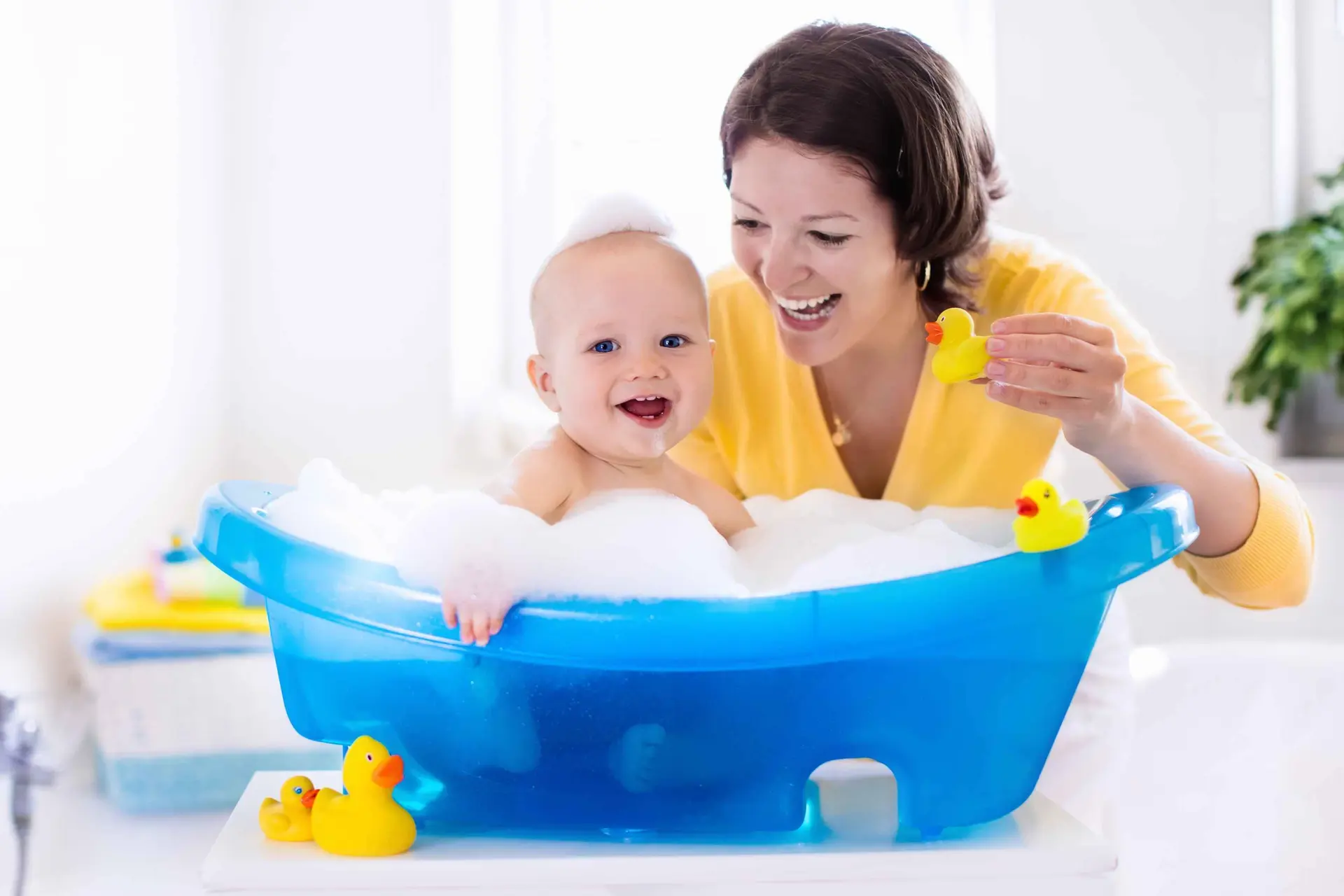
Temperature: Ensure the water is lukewarm, around 37°C to 38°C. Always test the water with your elbow, not your hand, for better sensitivity.
-
The “Top-to-Bottom” Rule: Always start with the eyes and face using plain water, moving down to the body, and finishing with the diaper area.
3. Diapering Hygiene: Preventing Rashes
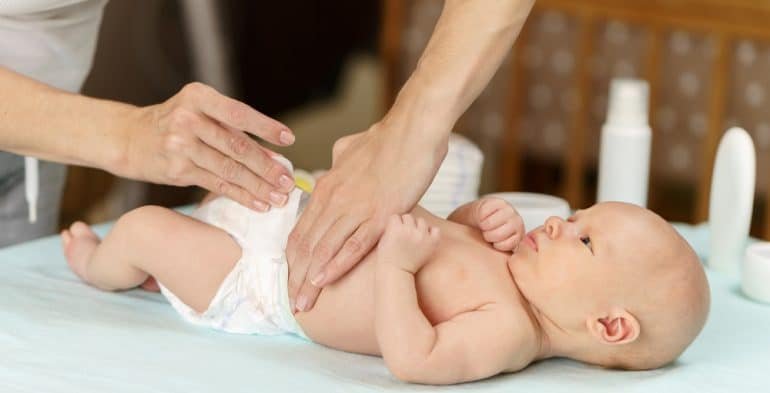
The diaper area is a high-moisture environment, making it a breeding ground for bacteria.
-
Frequent Changes: Change the diaper as soon as it is soiled. Prolonged exposure to wetness is the leading cause of diaper dermatitis.
-
Wiping Technique: Always wipe from front to back to prevent the spread of bacteria.
-
Air Time: Allow your baby to have a few minutes of “diaper-free time” each day on a clean, waterproof mat to let the skin breathe.
4. Oral and Facial Hygiene
One of the most overlooked baby hygiene tips is oral care. Even before teeth emerge, bacteria can accumulate on the gums.
-
Gum Cleaning: Use a soft, damp cloth to gently wipe the gums twice a day.
-
Eye Hygiene: It is common for newborns to have blocked tear ducts. Use a sterile cotton ball dipped in cooled, boiled water to wipe from the inner corner outward.
-
Nursery Equipment: Implementing these routines is easier with the right tools. High-quality grooming kits, such as those available at Babeshop, often include soft-bristled brushes and rounded-tip scissors designed specifically for infant safety, ensuring that every product touching your baby’s skin meets international safety standards.

See also
- The Definitive Guide on What to Feed a Newborn Baby: Nutritional Mastery for the First Months
- The Ultimate Handbook: Best Baby Care Tips for New Parents in 2026
- The Ultimate Guide to Educational Games for Kids: Unlocking Potential through Fun Learning Activities
- The Ultimate Guide on How to Take Care of a Newborn Baby: Expert Advice for the First 30 Days
5. Scalp Care and Cradle Cap Management
Cradle cap (seborrheic dermatitis) is a common condition caused by overactive oil glands.
-
Gentle Brushing: Use a soft-bristled brush to gently loosen flakes during or after bath time.
-
Natural Oils: Applying a small amount of coconut or almond oil before bathing can help soften the crusts. Never pick at the scales, as this can lead to minor infections.
6. Frequently Asked Questions (FAQ)
How often should I wash my baby’s hair?
Once or twice a week is usually enough. Use a fragrance-free, tear-free baby shampoo to avoid irritating the eyes or scalp.
Is it safe to use hand sanitizer on a newborn?
It is generally recommended to avoid adult hand sanitizers on infants. Use alcohol-free wipes or simple soap and water, as a baby’s skin absorbs chemicals more readily than an adult’s.
How do I clean my baby’s nose?
Use saline drops and a nasal aspirator to clear mucus. Never use cotton swabs inside the nose or ears, as this can cause injury according to CDC safety guidelines.
7. Nursery and Toy Sanitation
Baby hygiene extends to the surfaces and objects your child interacts with daily.
-
Toy Cleaning: Toys that are frequently mouthed should be cleaned at least once a week with mild soap and water.
-
Laundry Protocol: Use “non-biological” detergents that are free from dyes and perfumes. Always wash new clothes before the baby wears them to remove any manufacturing residues.
8. Managing Hygiene During Illness
When a baby is sick, hygiene is vital to prevent the spread of germs.
-
Disinfection: Regularly clean high-touch surfaces like crib rails and changing tables with baby-safe disinfectants.
-
Humidifiers: If using a cool-mist humidifier, ensure it is cleaned and dried daily to prevent mold growth.
9. Conclusion: Creating a Healthy Foundation
Implementing these baby hygiene tips creates a predictable and safe environment for your child to thrive. While these routines may seem detailed at first, they quickly become second nature, transforming into precious bonding moments between you and your infant.
By focusing on gentle care and following expert medical guidance, you are supporting your baby’s developing immune system and protecting their delicate skin barrier.
Ready to upgrade your nursery’s hygiene standards? Explore our selection of organic towels, safety-certified bath tubs, and medical-grade grooming kits at Babeshop.com today.