
Welcoming a newborn into your home is a transformational milestone that brings immense joy, but it also introduces a whirlwind of responsibilities. For many modern parents, the transition feels like navigating a complex manual without an index. At ControlAnytime, we aim to bridge that gap with evidence-based insights.
This exhaustive guide is designed to provide you with expert-backed baby health tips, detailed baby hygiene protocols, and essential baby safety tips to ensure your infant’s first month is healthy, safe, and nurturing.

1. The Foundations of Newborn Care: The First 30 Days
The neonatal period (the first 28 days of life) is a time of rapid physiological change. Understanding these shifts helps parents react with confidence rather than anxiety.
Decoding Newborn Feeding Patterns
Proper nutrition is the bedrock of newborn care. Whether you are breastfeeding, formula-feeding, or using a combination, the goal is consistent growth and hydration.
-
The Science of Breastfeeding: Breast milk is often referred to as “liquid gold” because it contains antibodies that boost a baby’s immune system. According to the NHS, colostrum (the first milk) is packed with protein and immunity-boosting compounds.
-
Formula Feeding Safety: If using formula, sterilization is a key part of baby hygiene. Always boil water and let it cool to at least 70°C before mixing to eliminate potential bacteria.
-
Identifying Hunger Cues: Don’t wait for the baby to cry. Look for “rooting” (turning the head toward a touch), sucking on fingers, or smacking lips.
The Nuances of Infant Sleep
Newborns do not have a circadian rhythm; they typically sleep in cycles of 2 to 4 hours. To help your baby develop a rhythm, keep the house bright and active during the day, and use dim lights and quiet voices during night feedings.
2. Advanced Baby Hygiene: Protecting Delicate Skin
Maintaining baby hygiene is crucial because an infant’s skin is 30% thinner than an adult’s, making it more susceptible to irritants and infections.
The Art of the Newborn Bath
Bathing a slippery newborn can be nerve-wracking. Following a strict routine ensures safety and cleanliness.
-
The “Top and Tail” Method: Before the umbilical cord falls off, use a warm, damp cloth to clean the face, neck, and diaper area. Avoid the stump to prevent infection.
-
Managing Cradle Cap: These yellowish, crusty patches on the scalp are caused by overactive oil glands. Gently massage baby oil onto the scalp, let it sit, then use a soft brush to lift the scales before washing.
-
Oral Hygiene: Even before the first tooth appears, use a clean, damp gauze to wipe the gums after feedings to remove bacteria.
Specialized Umbilical Cord and Nail Care
-
Cord Care: The CDC recommends “dry care.” Avoid applying alcohol; let the stump fall off naturally.
-
Trimming Tiny Nails: Newborn nails grow fast and can be sharp. Use a dedicated baby file or rounded safety scissors while the baby is sleeping to prevent accidental nips.
3. Critical Baby Safety Tips: A “Safety First” Environment
Safety is the most vital component of newborn care. Most accidents are preventable with proactive measures.
SIDS Prevention and Safe Sleep Standards
Sudden Infant Death Syndrome (SIDS) is a primary concern for new parents. Following the “ABC” of safe sleep significantly reduces risk:
-
A – Alone: The baby should sleep in their own crib or bassinet, not in your bed.
-
B – Back: Always place the baby on their back. Side-sleeping is unstable and risky.
-
C – Crib: Use a firm, flat mattress with a tight-fitting sheet. No pillows, blankets, or stuffed toys.
Home Safety and Preventing Falls
-
Changing Table Safety: Never leave a baby unattended on a changing table. Keep one hand on the baby at all times.
-
Water Safety: A baby can drown in as little as two inches of water in less than 60 seconds. Never leave them alone in a bath.
-
Choking Hazards: Use the “Toilet Paper Roll Test.” If an object fits through the roll, it is a choking hazard and must be kept away.
Car Seat Mastery
Your car seat must be installed according to the manufacturer’s instructions.
-
The Harness: It should be tight enough that you cannot pinch the strap material at the shoulder.
-
Clothing Matters: Do not put your baby in a bulky winter coat under the harness. Use a blanket over the harness instead.
See also
- Ending the Beige Food Phase: Strategic Picky Eater Solutions and Balanced Nutrition for Toddlers
- The Essential Guide to Parenting Tips Raising Toddlers: Building a Lifetime of Connection
- Essential Baby Health Tips: A Comprehensive Guide to Newborn Care, Hygiene, and Safety
- The Ultimate Guide to Educational Games for Kids: Unlocking Potential through Fun Learning Activities
- The Ultimate Guide to the Best Baby Products: Selecting the Right Strollers, Car Seats, and Monitors
4. Proactive Baby Health Tips: Monitoring and Immunity
A healthy baby is a happy baby. Early detection of issues is the key to effective newborn care.
The Importance of the Immune System
Newborns have immature immune systems.
-
The “Bubble” Strategy: For the first two months, limit exposure to large crowds. Anyone holding the baby should wash their hands thoroughly for at least 20 seconds.
-
Vaccination Schedule: Staying on track with the World Health Organization (WHO) schedule is one of the most effective baby health tips to prevent life-threatening diseases.
When to Call the Pediatrician
Parental instinct is powerful, but knowing clinical signs is essential:
-
Dehydration: Fewer than six wet diapers in 24 hours or a sunken soft spot (fontanelle).
-
Respiratory Distress: Look for “nasal flaring” or the skin pulling in around the ribs (retractions).
-
Fever: Any rectal temperature of 38°C (100.4°F) or higher in a newborn requires immediate medical attention.
5. Developmental Milestones and Emotional Health
Newborn care involves psychological bonding as much as physical maintenance.
Tummy Time: Building the Foundation
Tummy time is essential for preventing “Flat Head Syndrome” and building muscles needed for crawling.
-
Start Small: 1 to 2 minutes after a diaper change helps.
-
Engagement: Get down on the floor with them. Use high-contrast black-and-white cards to stimulate their vision, as newborns only see clearly about 8 to 12 inches away.
Bonding and the “Fourth Trimester”
The first three months are an adjustment period where the baby still feels “connected” to the womb.
-
Skin-to-Skin Contact: This regulates the baby’s heart rate and breathing while reducing stress hormones (cortisol) in both parent and infant.
-
Soothing Techniques: Utilize the “5 S’s”: Swaddle, Side/Stomach position (for holding), Shush, Swing, and Suck.
6. Utilizing the Best Support Systems
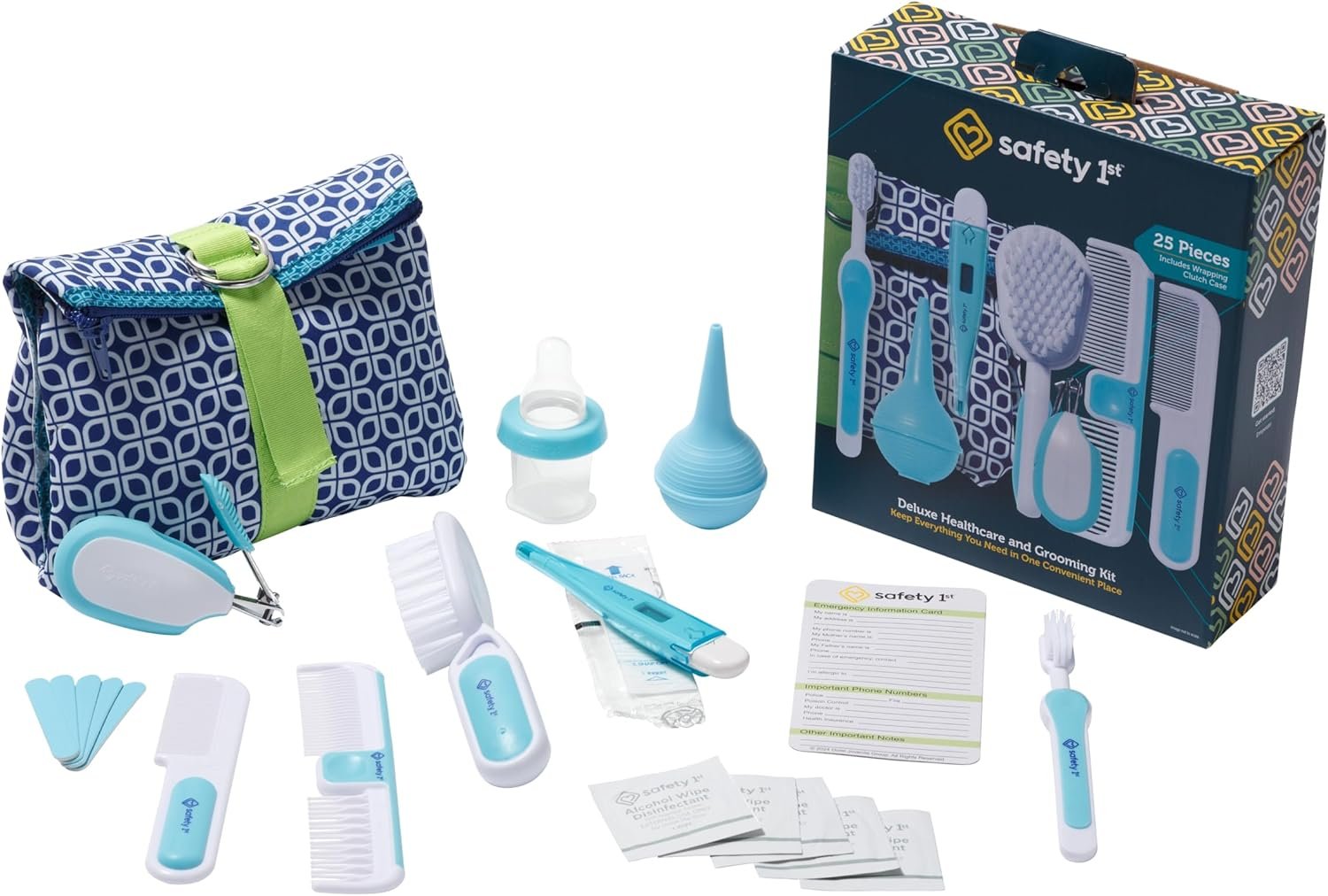
While parental intuition is irreplaceable, the environment you build is equally important. Choosing safety-certified products is a vital part of newborn care. For parents seeking premium essentials, Babeshop provides a curated selection of nursery furniture, hypoallergenic grooming kits, and ISOFIX-compatible car seats that meet the highest international safety standards.
By equipping your home with reliable gear, you reduce the mechanical stress of parenting, allowing you to focus on what matters most: bonding with your child.

Conclusion: Your Journey with ControlAnytime
Mastering newborn care is a marathon of small, intentional steps. By prioritizing baby hygiene, adhering to strict baby safety tips, and staying vigilant with baby health tips, you are providing the best possible start for your child.
At ControlAnytime, we are committed to providing you with the most up-to-date, evidence-based information. Remember, every baby is unique. While guidelines provide a roadmap, your bond with your child will ultimately guide your path.