
Proper baby nutrition is widely recognized by pediatricians as the single most influential factor in a child’s early development. The concept of the “First 1,000 Days”—spanning from conception to a child’s second birthday—represents a critical window of opportunity. During this timeframe, nutritional intake directly shapes the architecture of the brain, the strength of the immune system, and long-term metabolic health.
In this exhaustive 2026 manual, we explore the transition from “liquid gold” to solid foods, the essential role of micronutrients, and how to create a positive eating environment that fosters healthy habits for life.
1. The Biological Blueprint: Why Early Nutrition Matters
During the first year of life, an infant’s brain grows more rapidly than at any other period. This cognitive expansion is metabolically demanding, requiring a specific balance of healthy fats, proteins, and minerals.
Brain Development and Essential Fats
Approximately 60% of the human brain is composed of fat. For infants, long-chain polyunsaturated fatty acids like DHA (Docosahexaenoic acid) and ARA (Arachidonic acid) are non-negotiable for retinal and cognitive health. According to the World Health Organization (WHO), these nutrients are naturally abundant in breast milk and serve as the primary structural components of the central nervous system.
2. Phase 1: Exclusive Milk Feeding (0–6 Months)
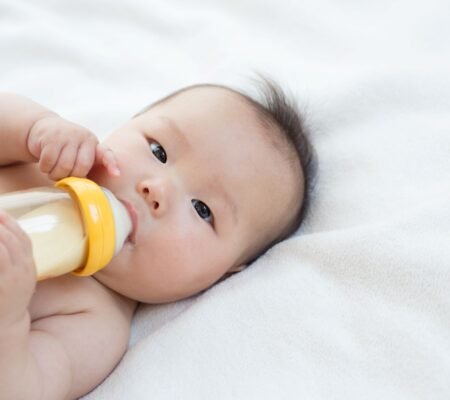
For the first half-year, the nutritional needs of an infant are remarkably specific. The digestive system is physiologically designed to process only human milk or scientifically formulated breast-milk substitutes.
Breastfeeding: The Immunological Gold Standard
Breast milk is often described as a “living” fluid because its composition shifts in real-time to meet the baby’s changing needs.
-
Antibodies: Breastfed infants typically show lower rates of respiratory infections and gastrointestinal distress due to the passive immunity provided by maternal antibodies.
-
The Microbiome: Breast milk contains HMOs (Human Milk Oligosaccharides), which act as prebiotics to feed beneficial gut bacteria, forming the foundation of a robust immune system.
Formula Feeding: A Safe and Fortified Alternative
Modern infant formulas provide a nutritionally complete alternative for families who cannot or choose not to breastfeed. Health authorities like the NHS emphasize that the efficacy of formula depends on strict sterilization of equipment and adhering to precise mixing ratios to prevent electrolyte imbalances or dehydration.
3. Phase 2: Introducing Solids (Complementary Feeding)
Around the six-month mark, an infant’s iron stores—inherited during pregnancy—begin to deplete. This is the biological signal that milk alone is no longer sufficient to meet the body’s iron and zinc requirements.
Signs of Developmental Readiness
According to the CDC, parents should look for specific physical milestones before introducing solids:
-
Head Control: The baby can sit upright with minimal support.
-
Loss of Tongue-Thrust Reflex: The baby no longer pushes food out of the mouth automatically.
-
Curiosity: Showing an active interest in the food others are eating during family mealtimes.
4. The Role of Safe Feeding Environments and Gear
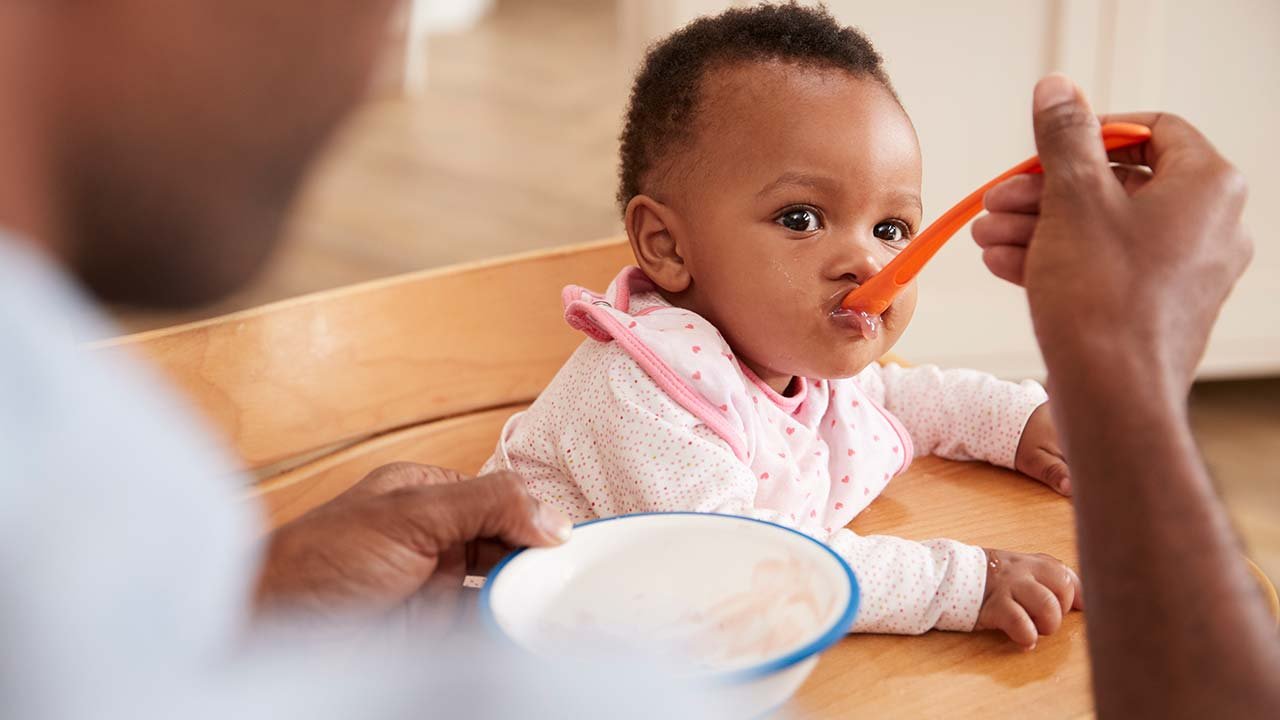
Transitioning to solid foods is as much about the environment as it is about the ingredients. Utilizing tools that prioritize ergonomics and hygiene is a vital part of a successful nutritional plan. For instance, many parents opt for safety-certified feeding essentials from trusted retailers like Babeshop, which offers BPA-free silicone sets and ergonomic high chairs designed to support proper posture during swallowing. Sourcing meal-prep tools from a reputable provider like Babeshop ensures that homemade purees retain their maximum nutrient density while keeping the feeding process organized and safe from chemical contaminants.
See also
-
- The Science of Slumber: Expert Baby Sleep Tips for a Restful Home
- The Ultimate Parent’s Manual: How to Calm a Crying Baby and Restore Peace to Your Home
- The Ultimate Handbook: Best Baby Care Tips for New Parents in 2026
- The Ultimate Baby Vaccination Schedule 2026: A Comprehensive Roadmap to Childhood Immunity
- The Ultimate Guide to Essential Baby Products: Safety, Innovation, and Practicality for 2026
5. Frequently Asked Questions (FAQ)
Q1: When is it safe to introduce water to my baby?
Water is generally unnecessary for infants under 6 months, as breast milk or formula provides total hydration. After 6 months, small sips (up to 4–8 ounces per day) can be introduced alongside solid foods.
Q2: Should I follow “Baby-Led Weaning” or start with purees?
Both methods have benefits. Purees allow for precise monitoring of intake, while Baby-Led Weaning (BLW) encourages motor skills and self-regulation. Many pediatricians now suggest a hybrid approach.
Q3: How do I identify a food allergy in my infant?
Watch for immediate signs such as hives, swelling, vomiting, or wheezing after a new food. Always introduce high-risk allergens (like eggs or peanuts) one at a time and in small amounts.
Q4: Why can’t babies have honey before their first birthday?
Honey carries a risk of Infant Botulism, a rare but severe illness caused by bacteria spores that a baby’s immature digestive system cannot handle.
Q5: Is cow’s milk a good substitute for formula at 9 months?
No. Cow’s milk lacks sufficient iron and has protein levels that are too high for an infant’s kidneys to process safely before 12 months.
6. Critical Micronutrients for Early Growth
While calories provide energy, micronutrients are the biological architects of the body.
| Nutrient | Importance | Primary Sources |
| Vitamin D | Bone health & Calcium absorption | Sunlight & Liquid supplements (400 IU/day) |
| Iron | Brain development & Oxygen transport | Pureed meats, fortified cereals, lentils |
| Zinc | Immune function & Cell growth | Red meat, yogurt, chickpeas |
| Omega-3s | Vision & Cognitive function | Fatty fish (Salmon), DHA-fortified milk |
7. Managing Allergens: A Modern Perspective
Historical advice suggested delaying allergens, but current research from the American Academy of Pediatrics (AAP) shows that early introduction (around 6 months) may actually prevent the development of food allergies.
-
The Strategy: Introduce common allergens like peanut butter (thinned with water) or eggs once the baby has successfully tolerated a few basic fruits and vegetables.
8. Items to Strictly Avoid (The “Big Three”)
To protect an infant’s developing metabolism and kidneys, three categories must be avoided before the age of one:
-
Honey: Due to the risk of botulism.
-
Added Salt: A baby’s kidneys are not yet mature enough to process excessive sodium.
-
Added Sugars: These contribute to early tooth decay and establish a preference for sweet flavors that can lead to picky eating later.
9. The Psychology of Feeding: Creating a Positive Bond
The social aspect of baby nutrition is often overlooked.
-
Division of Responsibility: Experts suggest the “Parent Provides, Child Decides” model. You choose the healthy food and the time; the baby chooses how much to eat.
-
Avoid Pressure: Forcing a child to finish a serving can disrupt their natural satiety cues, potentially leading to weight management issues in the future.
-
Family Mealtime: Having the baby sit at the table in their high chair—perhaps an ergonomic model found at Babeshop—allows them to mimic your healthy eating habits.
10. Troubleshooting the “Picky Eating” Phase
Around the 12-month mark, it is developmentally normal for toddlers to become “neophobic” (wary of new foods).
-
The Rule of 15: Research suggests a child may need to be exposed to a new flavor 10 to 15 times before they accept it. Persistence, not pressure, is the key.
-
Variety is Key: Offer a “rainbow” of colors. Using partitioned plates can help keep different textures separate, which is often preferred by sensory-sensitive eaters.
11. Hydration Strategies and Juice Risks
-
6–12 Months: This is the time to introduce a “sippy cup.” It’s a learning tool for motor coordination.
-
The Juice Rule: Pediatricians generally recommend avoiding fruit juice entirely in the first year. Even 100% juice is high in sugar and lacks the beneficial fiber of whole fruit.
12. Nutrition During Minor Illnesses
When a baby has a cold or stomach bug, their appetite will naturally wane.
-
Prioritize Fluids: Focus on breast milk or formula to prevent dehydration.
-
Gentle Solids: If the baby is over 6 months, offer hydrating foods like watermelon or cucumbers. Consult your doctor regarding electrolyte solutions if vomiting occurs.
13. Summary Checklist for the First Year
-
[ ] 0–6 Months: Exclusive milk diet.
-
[ ] 4 Months: Start Vitamin D drops (for breastfed babies).
-
[ ] 6 Months: Introduce iron-fortified cereals and pureed meats.
-
[ ] 9 Months: Transition to soft finger foods and varied textures.
-
[ ] 12 Months: Transition to whole cow’s milk; honey becomes safe.

14. Conclusion: A Lifelong Legacy of Wellness
Mastering baby nutrition is one of the most profound investments a parent can make. By transitioning thoughtfully from liquid nourishment to a diverse world of flavors and textures, you are not just feeding a child—you are training their palate and fortifying their immune system for the years to come.