
The arrival of a newborn marks the beginning of a profound journey in care, with nutrition standing as the most critical factor in early development. For new parents, understanding what to feed a newborn baby is often the most pressing concern, as proper feeding fuels brain growth, strengthens the immune system, and supports physical milestones.
In this guide, we explore the science of neonatal nutrition, comparing feeding methods, safety protocols, and how to navigate the first months of your infant’s life.
1. The Biological Blueprint: Recommended Feeding Options
In the first months, a baby’s digestive system is immature and highly specialized. According to the World Health Organization (WHO), there are only two safe and recommended options for a newborn: Breast milk or Infant Formula.
Why Avoid Solids or Water Early On?
The CDC emphasizes that infants should not be introduced to solids until approximately 6 months. Their kidneys and digestive tracts cannot yet process complex proteins or plain water, which can lead to dangerous electrolyte imbalances in newborns.
2. Breastfeeding: The “Liquid Gold” Standard
Breast milk is universally recognized as the gold standard in infant nutrition. It is a dynamic substance that changes its composition to meet a baby’s specific needs as they grow.
-
The Power of Colostrum: Produced in the first 2–4 days, this thick fluid is packed with antibodies (IgA) and white blood cells that coat the baby’s intestines to prevent infections.
-
Long-term Health: Exclusive breastfeeding for the first six months reduces the risk of SIDS, childhood obesity, and type 2 diabetes later in life.
3. Infant Formula: A Scientifically Designed Alternative
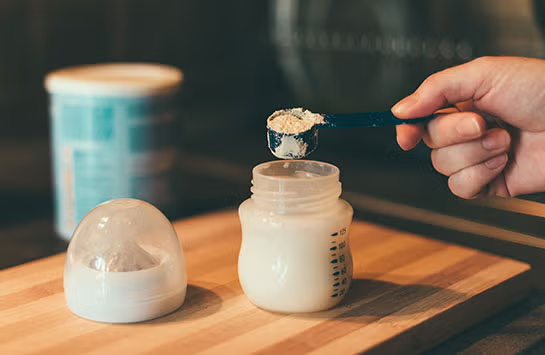
For many families, formula is a healthy and necessary choice. Modern formulas are meticulously designed to mimic the nutritional profile of breast milk.
-
Cow’s Milk-Based: The most common type, treated to make protein easier to digest.
-
Hydrolyzed Formula: Proteins are broken down into smaller sizes for babies with specific allergies.
-
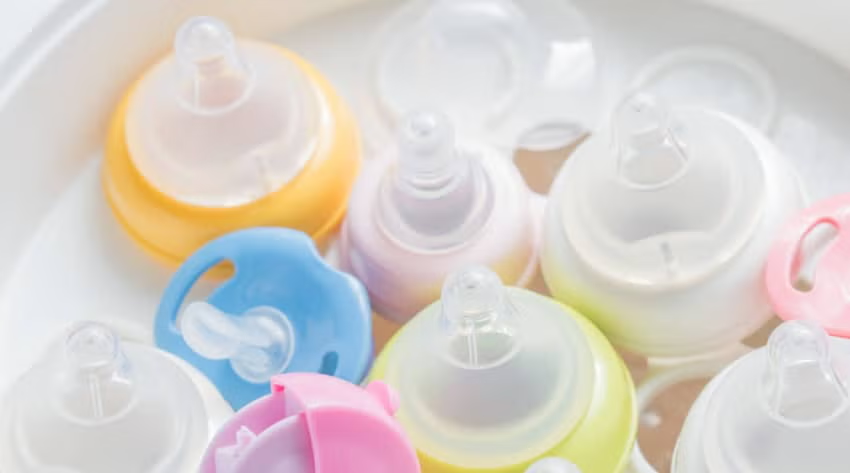
Safety Tip: According to NHS guidelines, it is vital to sterilize all equipment. Use boiled water cooled to no less than 70°C to mix powder to ensure any potential bacteria are neutralized.
4. Recognizing Hunger Cues: Responsive Feeding
Knowing what to feed a newborn baby is only half the battle; knowing when to feed is equally important. Experts recommend “responsive feeding” (on-demand) rather than a strict schedule.
-
Early Cues: Licking lips, rooting (turning the head toward a touch on the cheek), or sucking on hands.
-
Late Cues: Crying or frantic movements. It is often helpful to calm a distressed baby with skin-to-skin contact before attempting to latch.

See also
- The Ultimate Handbook: Best Baby Care Tips for New Parents in 2026
- The Smart Pregnancy Diet: Maximizing Fetal Development with Science-Backed Nutrition and Vitamins
- The Ultimate Guide to Educational Games for Kids: Unlocking Potential through Fun Learning Activities
- The Ultimate Guide on How to Take Care of a Newborn Baby: Expert Advice for the First 30 Days
5. Essential Feeding Tools and Safety
Implementing a successful feeding routine requires tools that meet international safety standards. For instance, reputable retailers like Babeshop provide a curated selection of BPA-free anti-colic bottles and advanced UV sterilizers that align with the hygiene standards required by the American Academy of Pediatrics (AAP). Utilizing high-quality gear ensures that the mechanical side of feeding remains hygienic and stress-free for both parent and child.
6. How Much and How Often?
A newborn’s stomach is tiny—roughly the size of a cherry on day one. By day ten, it expands to the size of a large egg.
-
Breastfed Babies: Typically eat every 2 to 3 hours (8–12 times a day).
-
Formula-Fed Babies: Usually eat every 3 to 4 hours.
-
Signs of Fullness: Turning the head away, relaxing clenched fists, or falling into a deep sleep.
7. Frequently Asked Questions (FAQ)
When can I start giving my baby water?
Babies receive all necessary hydration from breast milk or formula. Plain water is generally not recommended until the introduction of solid foods around 6 months.
Does my breastfed baby need vitamins?
Yes. The AAP recommends that all breastfed infants receive a daily 400 IU Vitamin D supplement starting in the first few days of life to support bone health.
What should I do if my baby has reflux?
Keep the baby upright for 20–30 minutes after feeding and ensure frequent burping. If the spitting up is excessive or causes distress, consult your pediatrician.
8. Monitoring Growth and Output
How do you know if your newborn is getting enough? Monitor their “output” and growth charts.
-
Diaper Tracking: By day five, expect at least 6–8 heavy wet diapers and yellow, seedy stools.
-
Weight Gain: While newborns lose some weight initially, they should typically regain their birth weight by day 10–14.
9. Conclusion: A Foundation for Growth
Mastering what to feed a newborn baby is a vital milestone in your parenting journey. Whether you choose breastfeeding or formula, the goal is a healthy, thriving child. By staying informed through evidence-based resources and using safety-tested equipment, you are providing your infant with the best possible foundation for long-term health.
Ready to start your feeding journey with confidence? Browse our curated selection of safety-tested breast pumps, anti-colic bottles, and high-chair essentials at Babeshop.com today.