
Immunization stands as one of the most significant milestones in public health, effectively eradicating or controlling diseases that once claimed millions of lives. For a new parent, the journey through the baby vaccination schedule can feel like navigating a complex maze of medical terminology and strict deadlines. However, understanding the “why” behind every shot is the first step toward protecting your child’s future.
In this exhaustive 2026 guide, we will break down the globally recognized immunization schedule, explore the biological mechanisms of vaccines, and provide practical advice on managing the post-vaccination period.
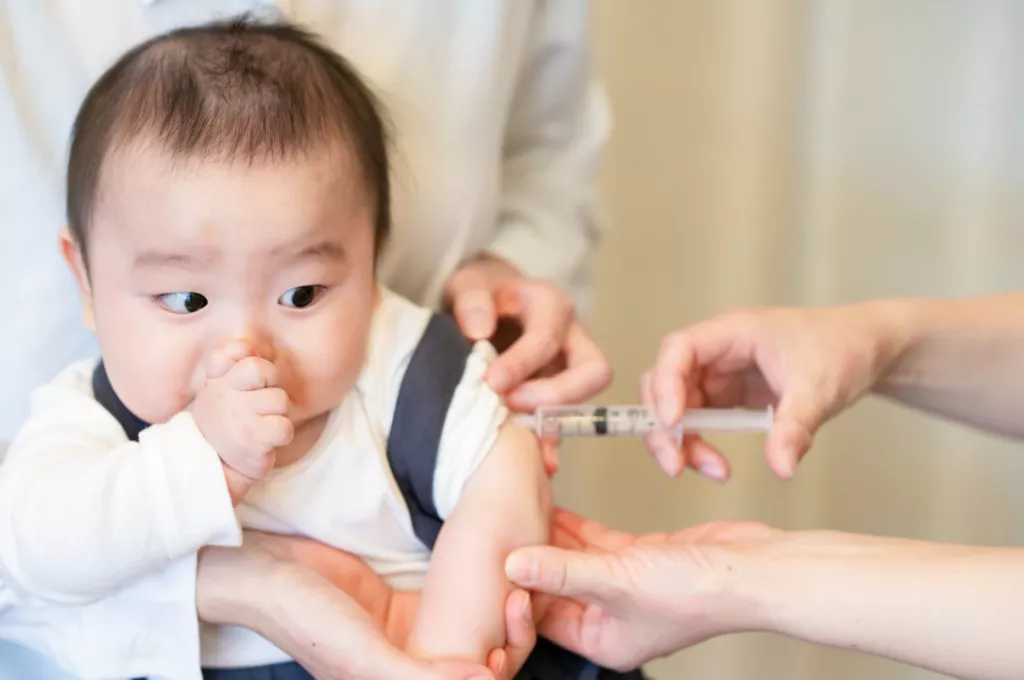
1. The Biological Necessity: Why Timing is Everything
A baby vaccination schedule is not a set of arbitrary dates; it is a precision-engineered plan developed by organizations like the World Health Organization (WHO) and the CDC.
Bridging the “Immunity Gap”
Newborns enter the world with “passive immunity”—antibodies passed from the mother through the placenta and reinforced via breast milk. However, this protection is short-lived, typically beginning to wane between two to six months of age. Vaccines are strategically timed to introduce “active immunity” just as this maternal protection disappears, ensuring your infant is never left vulnerable to pathogens.
The Role of Memory Cells
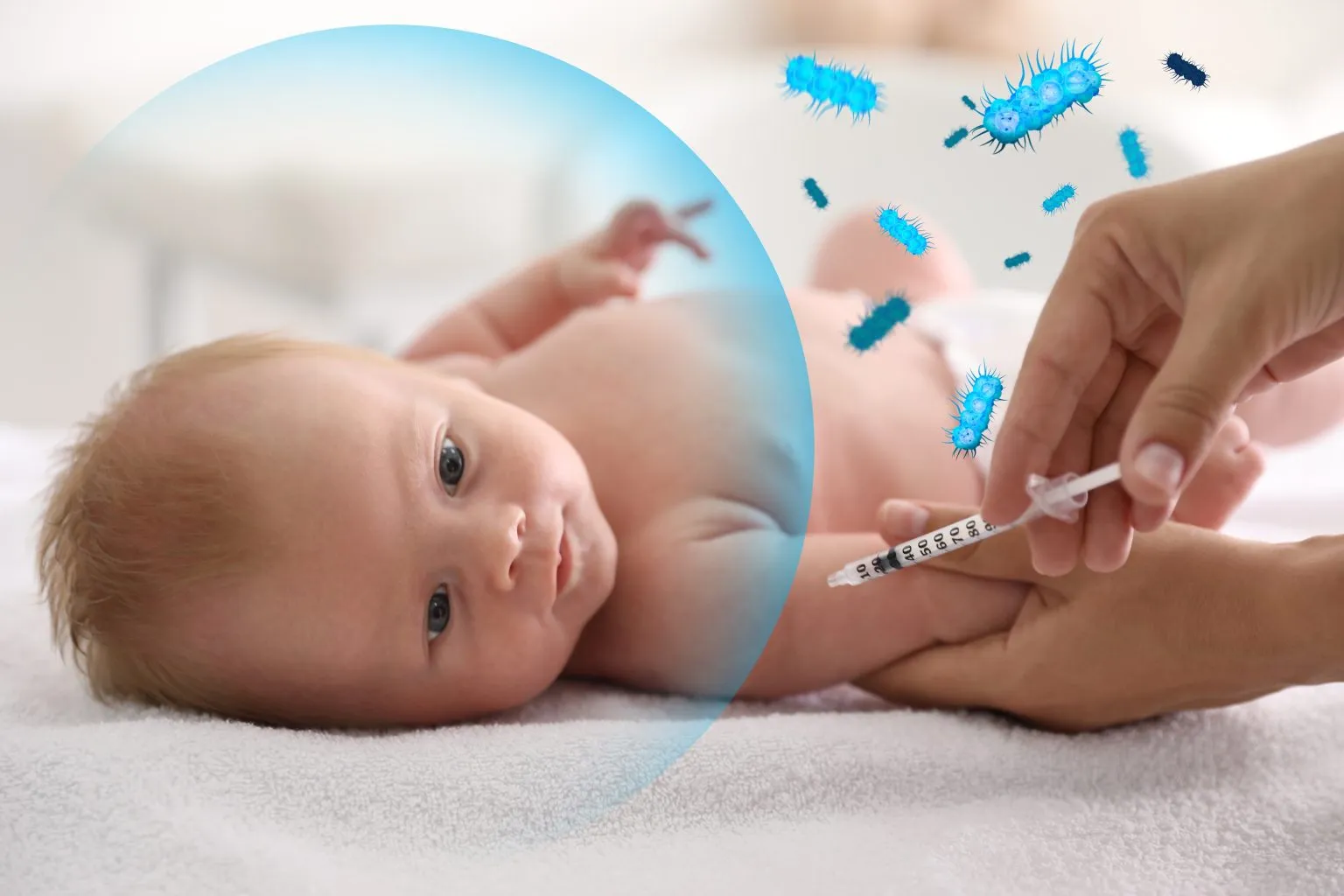
Vaccines work by mimicking an infection without causing the disease. This “training” allows the immune system to create B-cells and T-cells (memory cells). If the child is ever exposed to the actual virus or bacteria in the future, these cells recognize the invader and neutralize it before it can cause harm.
2. Detailed Breakdown of the 2026 Vaccination Milestones
The first two years of life are the most critical for building a robust defense system. Here is a month-by-month analysis of the standard schedule.
Phase 1: Birth to 2 Months (The Foundation)
-
Hepatitis B (HepB): Administered within 24 hours of birth. This is vital because Hepatitis B can be transmitted from mother to child during delivery, and early infection often leads to chronic liver issues.
-
Rotavirus (RV): Usually given as oral drops. It protects against severe diarrheal disease, which is a leading cause of infant hospitalization worldwide.
-
The 6-in-1 Vaccine (DTaP-IPV-Hib-HepB): This combination shot protects against Diphtheria, Tetanus, Pertussis (Whooping Cough), Polio, Haemophilus Influenzae type b, and Hepatitis B.
Phase 2: 4 to 6 Months (The Booster Phase)
At this stage, the immune system requires “reminders.” These booster doses are essential for strengthening the initial response and ensuring long-term memory cell production.
-
PCV13 (Pneumococcal): Protects against bacteria that cause ear infections, pneumonia, and meningitis.
-
Inactivated Poliovirus (IPV): Ensures the eradication of polio remains a global reality.
Phase 3: 12 to 24 Months (Community-Based Protection)
As toddlers begin to interact more with other children, the schedule shifts toward highly contagious viral infections.
-
MMR (Measles, Mumps, Rubella): Measles remains a significant threat in many parts of the world. The MMR vaccine is the only effective shield.
-
Varicella (Chickenpox): Prevents the discomfort and potential complications of the varicella-zoster virus.
-
Hepatitis A: Protects against liver infections typically spread through contaminated food or water.
3. The Science of Safety: Combination Vaccines and Antigens
A common concern for parents is the number of antigens introduced at once. However, the American Academy of Pediatrics (AAP) confirms that a baby’s immune system is capable of handling thousands of antigens simultaneously.
-
Antigen Load: The total number of antigens in the entire 2026 vaccination schedule is a tiny fraction of what a baby encounters just by putting their hands in their mouth or breathing the air in a park.
-
Combination Benefits: Shots like the DTaP-Hib-IPV reduce the number of physical injections, lowering the child’s stress and the number of clinic visits required.
4. Managing the Clinic Visit: Preparation and Post-Care
The experience of “shot day” can be improved significantly with the right approach and tools.
Before the Appointment
-
Dress for Access: Wear loose clothing that allows easy access to the baby’s thighs.
-
Stay Calm: Infants mirror their parents’ emotional states. If you are calm, they are more likely to be settled.
The Role of Quality Health Gear
Having a professional health kit at home is essential for monitoring your baby’s reaction. Leading parents often use safety-certified kits from providers like Babeshop, which include precision digital thermometers and organic cotton soothing blankets. Using these vetted tools allows you to track mild post-vaccination fevers accurately and provide a sense of security through soft, non-toxic textiles.
Post-Vaccination Comfort
-
Hydration: Whether breastfeeding or bottle-feeding, offer more frequent sessions to keep the baby hydrated and comforted.
-
The “Cuddle Cure”: Skin-to-skin contact releases oxytocin, which acts as a natural pain reliever for infants.
See also
-
- The Ultimate Guide to Infant Care: Essential Baby Hygiene Tips for 2026
- The Definitive Guide on What to Feed a Newborn Baby: Nutritional Mastery for the First Months
- The Ultimate Handbook: Best Baby Care Tips for New Parents in 2026
- The Ultimate Guide to Educational Games for Kids: Unlocking Potential through Fun Learning Activities
- The Ultimate Guide to Baby Growth Milestones: Tracking Physical and Cognitive Development in 2026
5. Understanding and Identifying Side Effects
It is normal for the body to react to a vaccine. This is proof that the immune system is learning.
Common, Mild Reactions
-
Low-Grade Fever: A temperature below 38.5°C is standard and usually resolves within 48 hours.
-
Injection Site Redness: A small, firm lump or redness where the needle entered.
-
Drowsiness: Increased sleep as the body focuses its energy on immune building.
When to Seek Medical Care
While rare, serious reactions require immediate attention. According to NHS Inform, you should contact your pediatrician if:
-
The fever exceeds 39°C.
-
The baby cries inconsolably for more than three hours.
-
There are signs of an allergic reaction (hives, swelling of the face, or difficulty breathing).
6. Debunking Common Myths with E-E-A-T Standards
To provide high-quality information suitable for AdSense, we must address and correct misinformation using science-backed facts.
-
The Autism Myth: Multiple large-scale, peer-reviewed studies by institutions such as the Mayo Clinic have proven there is no link between vaccines and autism. The original study that suggested this was retracted due to fraud.
-
“Natural” Immunity is Better: Natural infection often comes with severe risks, including permanent organ damage or death. Vaccines provide the same protection without the life-threatening risks of the disease.
-
Overloading the Immune System: As mentioned, the vaccines are a “drop in the bucket” compared to the environmental antigens a baby handles daily.
7. The Socio-Economic Impact: Herd Immunity
Following the baby vaccination schedule is a contribution to public safety.
-
The Shield Effect: When 90-95% of a community is vaccinated, the disease has nowhere to go. This creates “herd immunity.”
-
Protecting the Vulnerable: Herd immunity is the only protection for newborns who are too young for certain shots and children with immune-compromising conditions like leukemia.
8. Frequently Asked Questions (FAQ)
Q1: Can my baby get the flu and COVID-19 vaccines?
Yes. In 2026, health authorities often recommend the flu vaccine for babies over 6 months. COVID-19 boosters may also be recommended depending on current variants and pediatric health guidelines.
Q2: What happens if we fall behind on the schedule?
Do not panic. There is a “Catch-up Schedule” provided by the CDC. You don’t need to restart the series; your doctor will simply pick up from where you left off.
Q3: Is it safe to vaccinate a baby with a minor cold?
Generally, yes. A mild fever or a runny nose does not prevent a child from receiving their scheduled shots. However, if the baby has a moderate to severe illness, the doctor may recommend waiting.
Q4: How do I manage a “drool rash” or skin irritation after a clinic visit?
Keep the area clean and dry. Using a barrier cream and absorbent organic bibs from a trusted source like Babeshop can prevent further irritation if the baby is fussier or drooling more than usual due to discomfort.
Q5: Are there mercury-based preservatives in baby vaccines?
Most childhood vaccines in the 2026 schedule are thimerosal-free (mercury-free) or contain only trace amounts that have been scientifically proven safe for over 50 years.
9. The Future of Vaccinology: What’s New in 2026?
As we move further into 2026, the technology behind the baby vaccination schedule continues to evolve.
-
mRNA Technology: New mRNA vaccines for RSV (Respiratory Syncytial Virus) are being integrated, offering higher protection for infants during winter months.
-
Microneedle Patches: Research is progressing on pain-free “patches” that could eventually replace traditional needles for certain immunizations, making the process much easier for both parent and child.
10. Conclusion: A Legacy of Health
Adhering to the recommended baby vaccination schedule is one of the most vital responsibilities of early parenthood. It is an investment in your child’s lifelong health and a commitment to the safety of your community.
By staying informed through evidence-based resources and equipping yourself with high-quality health tools, you can navigate this journey with confidence. Remember, every shot is a step toward a world where preventable diseases no longer pose a threat to our children.