
Welcoming a new life into the world begins long before the delivery room. It starts with the building blocks you provide through pregnancy nutrition. At ControlAnytime, we believe that an informed mother is a transition to a healthy baby. The modern diet during pregnancy is no longer about “eating for two” in terms of volume; it is about “eating for two” in terms of vital micro-nutrients.
This comprehensive guide explores the essential healthy pregnancy foods, the critical role of prenatal vitamins, and how to manage your physical well-being to ensure optimal fetal development.
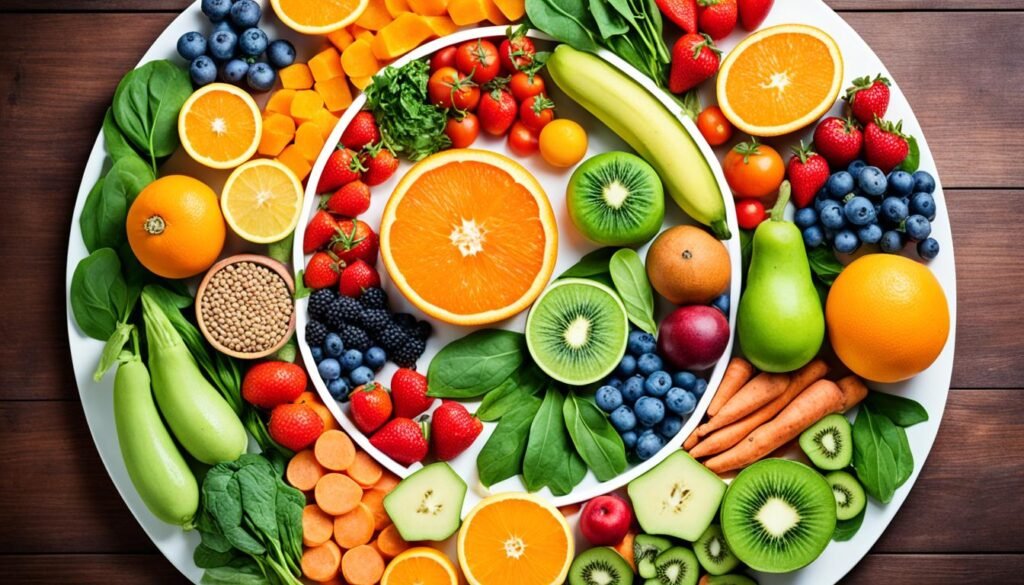
1. The Triple Pillar of Pregnancy Nutrition
A successful diet during pregnancy rests on three pillars: Macronutrients (energy), Micronutrients (developmental triggers), and Hydration.
Quality Over Quantity
While you do need extra energy, the NHS suggests that most women only need an extra 200 calories per day, and only during the third trimester.
-
Complex Carbohydrates: Swap white bread for oats, quinoa, and sweet potatoes to maintain steady blood sugar levels.
-
Lean Proteins: Essential for the growth of fetal tissue, including the brain. Incorporate eggs, lean poultry, beans, and Greek yogurt.
-
Healthy Fats: Omega-3 fatty acids, particularly DHA, are the primary drivers of fetal brain development and retinal health.
2. The Critical Role of Prenatal Vitamins
Even with a perfect diet, meeting the increased demands of pregnancy can be challenging. This is where prenatal vitamins serve as an essential nutritional safety net.
Folic Acid: The Neural Tube Protector
Folic acid (Vitamin B9) is perhaps the most famous of all prenatal vitamins. According to the CDC, taking 400mcg of folic acid daily before and during early pregnancy can help prevent major birth defects of the baby’s brain and spine.
Iron: Preventing Pregnancy Anemia
During pregnancy, your blood volume increases by nearly 50%. You need extra iron to make more hemoglobin for the oxygen supply to your baby.
-
The Challenge: Iron from plant sources (non-heme) is harder to absorb.
-
The Solution: Pair iron-rich foods like spinach with Vitamin C (like an orange) to double absorption rates.
Vitamin D and Calcium
While Calcium builds the baby’s bones, Vitamin D acts as the “key” that unlocks calcium absorption. Without sufficient Vitamin D, the body will leaven calcium from the mother’s bones to provide for the fetus.
3. Fetal Development: A Trimester-by-Trimester Food Map
Your baby’s needs change as they grow. Adjusting your healthy pregnancy foods by trimester can maximize results.
First Trimester: The Foundation (Weeks 1–12)
Focus on Folate and Vitamin B6. B6 is particularly helpful in managing “morning sickness.”
-
Key Foods: Sunflower seeds, ginger, and dark leafy greens.
Second Trimester: The Growth Spurt (Weeks 13–26)
This is when bone calcification and brain mapping accelerate. Increase your Calcium and Magnesium intake.
-
Key Foods: Almonds, sardines (with bones), and organic dairy.
Third Trimester: The Brain and Lung Finish (Weeks 27–40)
The baby’s brain weight triples in the last trimester. DHA and Vitamin K are paramount.
-
Key Foods: Walnuts, salmon (low-mercury), and kale.
See also
- Ending the Beige Food Phase: Strategic Picky Eater Solutions and Balanced Nutrition for Toddlers
- Essential Baby Health Tips: A Comprehensive Guide to Newborn Care, Hygiene, and Safety
- The Ultimate Guide to Educational Games for Kids: Unlocking Potential through Fun Learning Activities
- The Ultimate Guide to the Best Baby Products: Selecting the Right Strollers, Car Seats, and Monitors
4. Managing Gestational Challenges Through Diet
Pregnancy isn’t always smooth sailing. Proper pregnancy nutrition can mitigate common complications.
Gestational Diabetes Prevention
Focus on the “Glycemic Load.” Pairing carbohydrates with proteins or fats slows down sugar absorption.
-
Actionable Tip: Instead of an apple alone, have an apple with peanut butter.
Reducing Preeclampsia Risk
Recent studies suggest that adequate Calcium intake and a diet rich in antioxidants (Vitamin E and C) can support healthy blood pressure levels during the late stages of pregnancy.
5. Safe Pregnancy Habits: What to Avoid
Part of a healthy pregnancy is knowing what to leave off the plate.
-
High-Mercury Fish: Avoid shark, swordfish, and king mackerel.
-
Unpasteurized Dairy: Risks of Listeria can be dangerous for fetal safety.
-
Excessive Caffeine: Limit intake to 200mg per day (about one 12oz cup of coffee).
6. Support Systems for a Healthy Pregnancy
A healthy pregnancy requires more than just internal nutrition; it requires an environment that reduces stress and physical strain. Utilizing supportive tools is a vital part of maternal self-care.
For mothers-to-be, Babeshop offers a range of products designed to support your changing body:
-
Maternity Support Pillows: These help maintain the “left-side” sleeping position, which optimizes blood flow to the placenta.
-
Compression Wear: To reduce swelling and support circulation in the legs during the second and third trimesters.
-
Educational Resources: Babeshop provides access to specialized guides on preparing your home for the “fourth trimester.”
By investing in quality support gear from Babeshop, you reduce the physical cortisol levels in your body, which directly benefits fetal development.
7. Hydration and the “Fourth Trimester” Preparation
Water is the medium that carries all your prenatal vitamins to the placenta. It also helps prevent common pregnancy woes like urinary tract infections (UTIs) and constipation. Aim for 8–10 glasses of water daily.
As you approach your due date, start thinking about breastfeeding benefits. The nutrition you consume now is stored to help produce colostrum immediately after birth.
8. Weight Gain: The Healthy Perspective
Weight gain is a sign of a growing life. However, it should be gradual.
-
Underweight (BMI < 18.5): 28–40 lbs.
-
Normal Weight (BMI 18.5–24.9): 25–35 lbs.
-
Overweight (BMI 25–29.9): 15–25 lbs.
9. Common Myths About Pregnancy Diet
-
Myth: “You must eat meat to get enough protein.” Fact: Lentils, chickpeas, and tofu are excellent high-protein alternatives.
-
Myth: “Prenatal vitamins make the baby too big.” Fact: Vitamins support development; they do not cause excessive birth weight.
-
Myth: “You should avoid all seafood.” Fact: Low-mercury fish like salmon and shrimp are essential for DHA.
Conclusion: Your Legacy of Health
Your journey through pregnancy nutrition is the first gift you give to your child. By focusing on healthy pregnancy foods, staying consistent with prenatal vitamins, and managing your lifestyle through expert resources like ControlAnytime, you are creating a vibrant future.
Parenthood is a series of informed choices. Start your journey with the best tools and the latest science.
Are you ready to support your growing body and your baby’s future? Explore our premium selection of maternity support gear, pregnancy-safe skincare, and prenatal wellness essentials at Babeshop.com today.