
Pregnancy is one of the most transformative periods in a woman’s life. During these nine months, your body functions as a sophisticated biological system, supporting the development of a new human being through the nutrients you consume. At ControlAnytime, we believe that Pregnancy Nutrition is the cornerstone of a healthy start, influencing long-term metabolic health and cognitive development.
While focusing on your dietary intake is paramount, physical comfort also plays a role in your overall well-being. Utilizing ergonomic support, such as high-quality maternity wear or nursing pillows from trusted providers like Babeshop, can help you maintain the mobility needed to stay active throughout this journey.

1. The Quality Over Quantity Philosophy
The old adage “eating for two” is one of the most persistent myths in maternal health. Scientifically, it isn’t about doubling your portions; it’s about doubling your nutritional awareness.
Trimester-Specific Caloric Needs
According to the NHS, caloric requirements do not increase significantly until the final stages:
-
First Trimester (0–12 Weeks): Typically, no extra calories are required. The focus should be entirely on micronutrients like Folate.
-
Second Trimester (13–26 Weeks): As the baby grows, you need approximately 340 extra calories per day—roughly the equivalent of a healthy snack or a small meal.
-
Third Trimester (27 Weeks–Birth): To support brain and lung development, you require about 450 extra calories daily.
2. Macronutrients: The Building Blocks of Life
To master Pregnancy Nutrition, it is essential to balance the three core macronutrients:
-
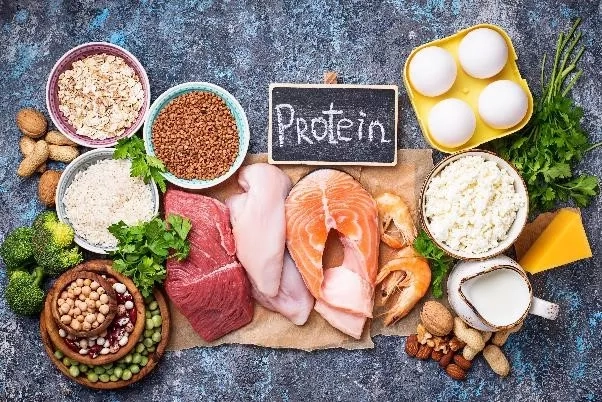
Proteins (The Architects): Protein is responsible for building every tissue and organ in your baby’s body. Aim for 75 to 100 grams daily from sources like lean poultry, eggs, lentils, and Greek yogurt.
-
Complex Carbohydrates (Sustainable Energy): Choose low-glycemic carbs like quinoa and oats. These provide the fiber necessary to prevent common pregnancy concerns like constipation, as noted by Healthline.
-
Healthy Fats & DHA: Omega-3 fatty acids (DHA) are critical for the development of the baby’s eyes and brain. Incorporate low-mercury fish like salmon, walnuts, and chia seeds.
3. Micronutrients: The “Small” Essentials
In the world of Pregnancy Nutrition, vitamins and minerals act as the catalysts for healthy growth.
Folate and Folic Acid
The CDC emphasizes that Folic Acid is the single most important nutrient in early pregnancy to prevent neural tube defects. Aim for 600–800 mcg daily through spinach, citrus fruits, or supplements as advised by your doctor.
Iron and Calcium
-
Iron: Your blood volume increases by nearly 50%. Pair iron-rich foods with Vitamin C (like orange juice) to maximize absorption and prevent anemia.
-
Calcium and Vitamin D: If intake is insufficient, the body may draw calcium from the mother’s bones to support the baby. Ensure you meet the requirement of 1,000 mg of calcium daily.
See also
- The Ultimate Guide to Smart Baby Monitors: How ControlAnytime Protects Your Baby 24/7
- Smart Nurseries in 2026: How Technology is Revolutionizing Baby Safety
- AI Baby Monitors in 2026: How Artificial Intelligence Is Improving Child Safety
4. Pregnancy Superfoods Checklist
Incorporate these nutrient-dense “powerhouses” into your weekly meal plan:
-
Eggs: Contain Choline, vital for fetal brain development.
-
Avocados: Rich in healthy fats, potassium, and folate.
-
Leafy Greens: Nature’s multivitamin, providing fiber and antioxidants.
-
Berries: High in Vitamin C without excessive sugar content.
5. Safety First: Foods to Avoid
Maintaining a high standard of Pregnancy Nutrition also involves avoiding foodborne illnesses like Listeria.
-
Unpasteurized Dairy: Avoid soft cheeses unless clearly labeled as pasteurized.
-
High-Mercury Fish: Steer clear of Shark, Swordfish, and King Mackerel.
-
Raw Seafood & Deli Meats: Avoid raw sushi and ensure deli meats are heated until steaming to eliminate bacteria.
6. Managing Pregnancy Discomforts Through Diet
Diet is often the first line of defense against common gestational challenges:
-
Heartburn: Eat smaller, frequent meals and avoid lying down immediately after eating.
-
Nausea: Keep dry crackers by the bedside and try ginger tea, which is a natural remedy proven to soothe the stomach.
-
Gestational Diabetes: Focus on complex fibers and lean proteins to stabilize blood sugar levels. Wearing non-restrictive maternity clothing from Babeshop can also make the light physical activity required for glucose management more comfortable.
7. Hydration: The Life Fluid
Water is the primary component of the amniotic fluid. The Mayo Clinic suggests aiming for roughly 2.3 liters (about 10 cups) of fluids daily to reduce the risk of UTIs and help manage swelling.

Conclusion: A Foundation for the Future
Optimizing your Pregnancy Nutrition is the greatest gift you can give your child, influencing their brain power and future health. While the nutritional journey is a science, the support you receive is a comfort.
At ControlAnytime, we provide the insights you need for a healthy term. As you prepare for your baby’s arrival, ensure you have the right physical support—from nursing supplies to safe nursery gear.
Explore a curated range of maternity essentials and newborn gear at Babeshop.com today to support your transition into motherhood with confidence.