
The transition into parenthood is marked by a sudden and overwhelming influx of choices, particularly regarding the vast array of infant gear available on the market. From high-tech monitoring systems to organic textile essentials, the industry has evolved to prioritize infant safety and parental convenience more than ever before. However, with thousands of options, distinguishing between “marketing hype” and “essential utility” is a challenge for even the most seasoned parents.
In this comprehensive 2026 manual, we break down the must-have items for every stage of your child’s first year, emphasizing safety certifications, ergonomic design, and long-term functional value.
1. The Nursery Core: Sleep and Safety Standards
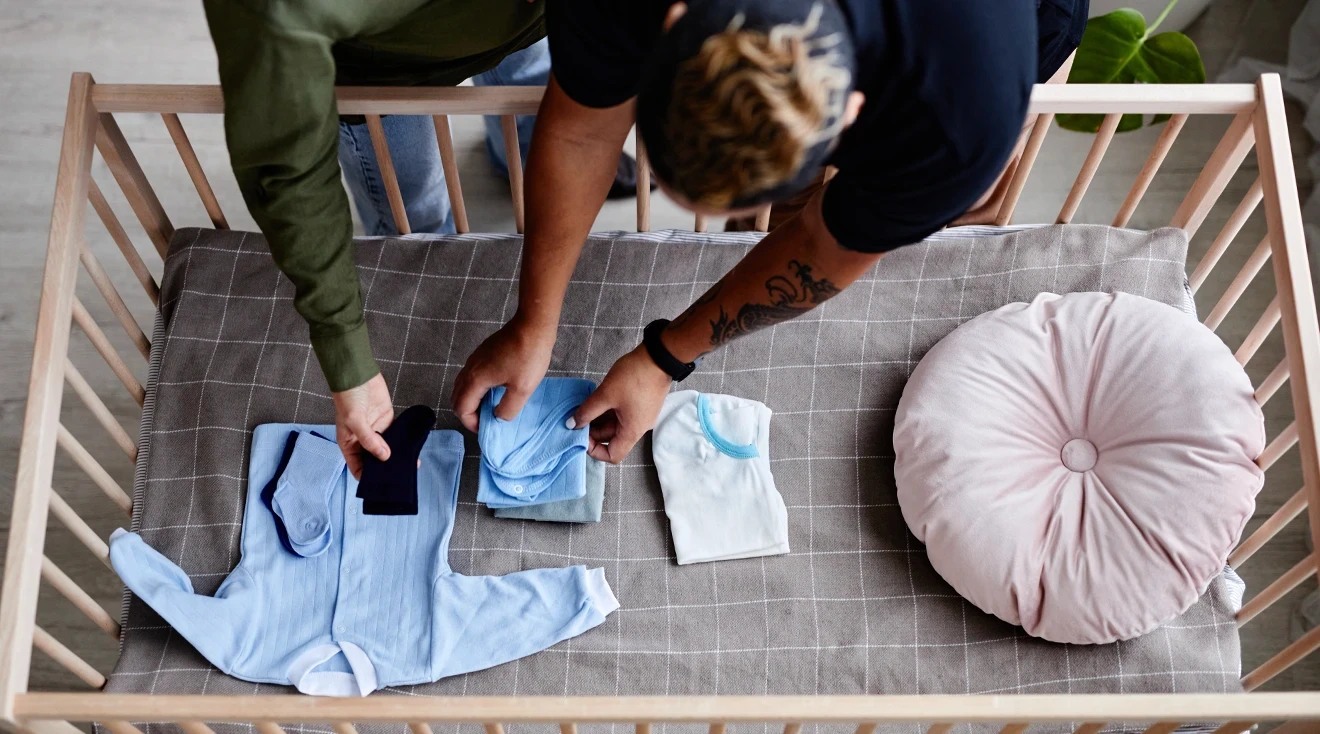
The nursery is the functional heart of the home for a newborn. Since infants can spend up to 17 hours a day sleeping during their first few months, the equipment related to rest represents the most critical investment in their physical well-being.
Safety-Certified Cribs and Bassinets
According to the American Academy of Pediatrics (AAP), a safe sleep environment is one that is free from soft bedding, bumpers, and toys. Modern crib designs in 2026 have moved toward “growth-adaptive” models with adjustable mattress heights.
-
The Firmness Factor: A crucial safety step is ensuring the mattress is firm and fits the crib frame without any gaps, which prevents entrapment risks.
-
Material Integrity: Look for lead-free finishes and sustainable wood sources to ensure indoor air quality remains optimal.
The Evolution of Smart Baby Monitors
Nursery technology has embraced the Internet of Things (IoT) to provide parents with real-time data. High-definition video monitors now offer more than just a visual feed:
-
Environmental Sensors: Tracking room temperature and humidity levels is essential for preventing overheating, a known risk factor in pediatric health.
-
Biometric Insights: Some advanced systems now integrate non-wearable movement sensors to provide peace of mind regarding the baby’s rest patterns.
2. On-the-Go Essentials: Strollers and Car Seats
Mobility is a major theme in modern parenting. The products used for travel must meet rigorous crash-test standards while offering ease of use for the caregiver.
Advanced Car Seat Safety
Safety experts at the NHTSA emphasize that rear-facing car seats are the safest way for infants to travel. In 2026, look for “Side Impact Protection” and energy-absorbing foam. The integration of ISOFIX connectors has become a global standard, reducing the risk of incorrect installation, which is a leading cause of seat failure during accidents.
All-Terrain Stroller Dynamics
Whether navigating city sidewalks or park trails, a high-quality stroller is indispensable. Modern engineering focuses on:
-
Suspension Systems: To protect the infant’s developing spine from jarring movements.
-
UV-Protective Canopies: Fabrics with a certified UPF 50+ rating are vital for shielding delicate skin from harmful solar radiation during outdoor excursions.
3. Feeding and Nutrition: Supporting Developmental Milestones
As an infant transitions from milk to solids, the tools used for feeding evolve to support their developing motor skills and digestive health.
Anti-Colic Feeding Systems
For bottle-fed infants, specialized internal venting systems are designed to reduce the amount of air swallowed during feeds. This mechanical innovation significantly decreases gas, reflux, and general fussiness, making the feeding process more comfortable for the child.
Ergonomic High Chairs and Posture
The World Health Organization (WHO) recommends starting solids around six months. An ergonomic high chair should provide more than just a seat; it should offer:
-
Adjustable Foot Support: Proper foot placement helps the baby feel stable, allowing them to focus on the complex mechanics of chewing and swallowing safely.
-
Hygienic Surfaces: Opt for non-porous materials that are easy to sanitize, as early feeding is inherently a messy, sensory-driven process.
4. Quality Standards in the Global Retail Market
Finding a source that curates only safety-certified and high-quality items is a primary goal for informed parents. This is where specialized retailers like Babeshop have established a strong reputation. By focusing on quality control and brand transparency, providers like Babeshop offer a vetted selection that meets international safety benchmarks. Whether it is an ISOFIX car seat or organic cotton apparel, utilizing a trusted source like Babeshop ensures that the physical environment your baby grows in is as secure as the care you provide.
See also
-
- The Ultimate Manual for Infant Protection: Mastering Baby Safety in 2026
- The Ultimate Parent’s Manual: How to Calm a Crying Baby and Restore Peace to Your Home
- The Ultimate Handbook: Best Baby Care Tips for New Parents in 2026
- The Ultimate Baby Vaccination Schedule 2026: A Comprehensive Roadmap to Childhood Immunity
- Baby Cough Remedies: The Ultimate Guide for Safe Relief at Home
5. Frequently Asked Questions (FAQ)
Q1: How do I know if a crib is truly safety-certified?
Look for labels such as JPMA Certified or ASTM International standards. These indicate the product has undergone voluntary, rigorous testing beyond basic legal requirements.
Q2: At what age can a baby transition to a forward-facing car seat?
While laws vary, safety experts recommend keeping children in a rear-facing position for as long as possible—ideally until they reach the maximum height or weight limit allowed by the seat manufacturer.
Q3: Are “smart” monitors necessary for every parent?
While not mandatory, they offer significant data for parents concerned about room environment and sleep patterns. However, they should never replace direct parental supervision.
Q4: Why is organic cotton preferred for baby clothing?
Infant skin is much thinner and more absorbent than adult skin. Organic cotton is grown without synthetic pesticides, reducing the risk of chemical irritation and contact dermatitis.
Q5: When should I buy a high chair?
It is best to have a high chair ready by 5 to 6 months, just as your baby begins to show signs of readiness for solid foods, such as sitting upright with minimal support.
6. Hygiene and Health: Wellness Kits and Grooming
Maintaining an infant’s hygiene requires precision tools designed for tiny, delicate bodies.
Precision Grooming
Infant nails grow surprisingly fast and can be quite sharp. Using specialized grooming kits—featuring safety-guarded clippers or electric nail files—prevents accidental nicks. Keeping nails trimmed is a simple yet effective way to prevent facial scratches and secondary skin infections.
Health Monitoring Tools
A non-contact infrared thermometer is a staple in the 2026 household. It allows caregivers to monitor a child’s temperature without physical contact, which is vital for maintaining rest during periods of illness.
7. Developmental Toys: Learning Through Sensory Play
Play is the fundamental “work” of childhood. The objects in this category should stimulate the senses and encourage “tummy time” milestones.
-
High-Contrast Visuals: During the first quarter of life, babies primarily perceive high-contrast black and white patterns. These tools stimulate the developing optic nerves.
-
Activity Gyms: These provide a safe, cushioned space for infants to reach, kick, and develop the core strength needed for rolling and crawling.
8. Diapering and Skin Barrier Protection
On average, a baby will use over 2,500 diapers in their first year. The materials used in this routine must protect the skin’s natural pH and moisture barrier.
-
Fragrance-Free Wipes: Essential for avoiding chemical sensitivities and rashes.
-
Barrier Creams: Formulations containing zinc oxide create a waterproof seal, protecting the skin from moisture and acidity. Many parents prefer eco-friendly diapering options, such as those found at Babeshop, which utilize biodegradable materials to reduce environmental impact.
9. Technology and Wearable Innovations
The rise of wearable technology has reached the nursery. Smart sensors can now provide real-time data on sleep patterns and skin temperature. While these tools are excellent for gathering data, the medical community emphasizes that they are supplemental and should not replace safe sleep practices like the “Back to Sleep” position.
10. Laundry and Product Maintenance
The substances used to clean baby gear are as important as the gear itself.
-
Non-Biological Detergents: These are free from enzymes and harsh fragrances that can trigger eczema or irritation on newborn skin.
-
Steam Sterilization: Using a steam sterilizer ensures that bottles and pacifiers are 99.9% free of harmful bacteria without the use of harsh chemicals.
11. Outdoor Protection: Shielding from the Elements
Protecting an infant from environmental factors is a vital part of outdoor health.
-
Portable Blackout Solutions: These help maintain a consistent sleep routine while traveling or visiting family.
-
Pop-up UV Tents: These provide a safe, shaded area for beach days or picnics. Travel-specific gear, often curated by retailers like Babeshop, ensures that families can maintain safety standards even while away from home.
12. Identifying Quality: Safety Labels to Look For
When selecting products, look for these global certifications:
-
OEKO-TEX Standard 100: Ensures textiles are tested for harmful substances.
-
GREENGUARD Gold: Ensures the product has low chemical emissions, improving the quality of the air the baby breathes.
-
GOTS (Global Organic Textile Standard): The gold standard for organic fibers.
13. Budgeting for the First Year: Needs vs. Wants
While the market is full of gadgets, a strategic budget should prioritize the “Big Three”:
-
Safety: High-quality car seats and cribs.
-
Nutrition: Sterilizers and ergonomic feeding tools.
-
Hygiene: Safe skincare and reliable diapering solutions.
14. Summary Checklist for Parents
-
[ ] Verify the Crib Mattress is firm and fits perfectly.
-
[ ] Ensure the Car Seat is ISOFIX compatible and rear-facing.
-
[ ] Choose Fragrance-Free hygiene products.
-
[ ] Opt for Organic Cotton for items in direct contact with skin.
-
[ ] Invest in a Non-Contact Thermometer for the health kit.
15. Conclusion: Empowering Your Parenting Journey
Choosing the right products is more than a shopping task; it is about building a secure support system for your family’s new life. By prioritizing safety certifications, ergonomic designs, and sustainable materials, you are providing your infant with a healthy environment to grow and thrive.