
The first twelve months of a child’s life represent a period of unparalleled transformation. From the reflexive grasp of a newborn to the determined first steps of a toddler, these changes are formally recognized as baby growth milestones.
While every child is an individual who develops at their own unique pace, these milestones serve as a vital developmental roadmap for parents and pediatricians. They ensure that physical, cognitive, and emotional progress is on a healthy track.
1. What Exactly Are Baby Growth Milestones?
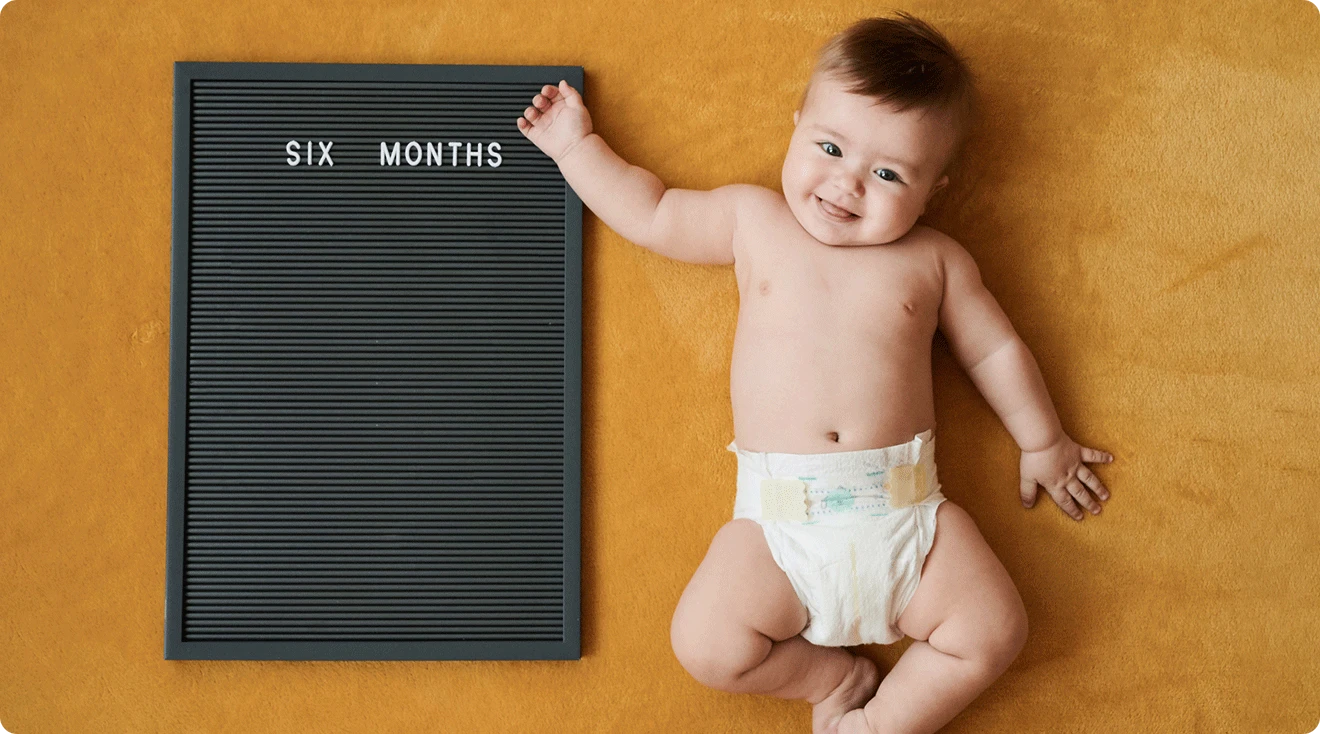
Baby growth milestones are specific functional skills or age-specific tasks that most children can perform within a certain age range. These are generally categorized into four core pillars:
-
Gross Motor Skills: Using large muscle groups for significant movements like sitting, crawling, and eventually walking.
-
Fine Motor Skills: The coordination of small muscles, particularly in the hands and fingers, to manipulate objects.
-
Language & Communication: This includes both “receptive” language (understanding what is said) and “expressive” language (the ability to communicate needs).
-
Social and Emotional Skills: The capacity to interact with others, recognize faces, and begin the journey of self-regulation.
2. The First Quarter: 0 to 3 Months
During the initial 90 days, often called the “fourth trimester,” development focuses on sensory integration and building foundational core strength.
Key Physical Progress
By the end of the third month, most infants can lift their head and chest while lying on their stomachs—a result of consistent “tummy time.” You will also notice the “social smile,” which typically emerges around 6 to 8 weeks in response to a parent’s voice.
Cognitive and Sensory Awareness
-
Visual Tracking: The ability to follow a moving object or person with the eyes.
-
Vocalization: Moving beyond crying to include coos, gurgles, and experimental vowel sounds.
3. The Second Quarter: 4 to 6 Months
This is the era of active discovery. Your baby is transitioning from a stationary observer to an active participant in their surroundings.
Movement and Coordination
-
Rolling Over: Most babies master rolling from tummy to back first, followed by the more complex back-to-tummy transition.
-
Tripod Sitting: Learning to sit with support, often using their hands in front of them for balance.
Fine Motor Precision
-
The Palmar Grasp: Reaching out and grabbing objects with the whole hand.
-
Hand-to-Mouth Coordination: A vital step for sensory exploration and the beginning of self-soothing behaviors.
4. The Third Quarter: 7 to 9 Months
Between 7 and 9 months, baby growth milestones take a significant leap toward independence and mobility.
Advanced Mobility
-
Sitting Without Support: Muscles become strong enough for the baby to sit upright while freeing their hands for play.
-
Crawling: Whether it is a traditional crawl, a “commando” scoot, or a shuffle, the primary goal at this stage is independent movement.
The Pincer Grasp
One of the most important neurological milestones is the pincer grasp—the ability to pick up small objects using only the thumb and forefinger. This skill is a precursor to self-feeding and more complex manual tasks.
5. The Fourth Quarter: 10 to 12 Months
As the first birthday approaches, milestones culminate in the transition from infancy to toddlerhood.
The Road to Walking
-
Cruising: Walking while holding onto furniture for stability.
-
Standing Independently: Maintaining balance for a few seconds without support.
-
First Steps: While some start earlier, the first independent steps often occur between 11 and 15 months.
Communication Gestures
-
Pointing and Waving: Using gestures to express desires or say “bye-bye.”
-
First Words: The emergence of 1 to 3 simple words with specific meanings, such as “Mama,” “Dada,” or “No.”
See also
-
- The Ultimate Guide to Infant Care: Essential Baby Hygiene Tips for 2026
- The Definitive Guide on What to Feed a Newborn Baby: Nutritional Mastery for the First Months
- The Ultimate Handbook: Best Baby Care Tips for New Parents in 2026
- The Ultimate Guide to Educational Games for Kids: Unlocking Potential through Fun Learning Activities
6. The Essential Role of Nutrition and Floor Time
Physical development requires both fuel and freedom. Introducing iron-rich solid foods around 6 months supports the brain and muscle development necessary for reaching motor goals.
Furthermore, “floor time” is critical. Modern infants often spend time in strollers or bouncers, but reaching baby growth milestones requires unrestricted movement on a flat surface. This allows for weight-shifting practice, which is the biological precursor to crawling.
7. Identifying Developmental “Red Flags”
While every child follows their own timeline, certain “red flags” suggest that a consultation with a pediatrician is necessary to rule out hearing or physical issues.
When to Seek Professional Advice:
-
By 4 Months: If the baby does not watch moving objects or does not smile at people.
-
By 7 Months: If the baby seems unusually stiff or very floppy, or fails to show affection to caregivers.
-
By 9 Months: If the baby does not sit with help or does not respond to their own name.
-
By 12 Months: If the baby does not crawl, point to objects, or loses skills they once had.
8. Frequently Asked Questions (FAQ)
What if my baby skips crawling and goes straight to walking?
While crawling is a great way to build bilateral coordination, some babies skip it entirely. As long as they are showing progress in other gross motor areas, it is usually not a cause for concern.
Can sleep regressions affect milestones?
Yes. Major developmental leaps—like learning to walk—often coincide with temporary sleep disruptions as the brain “wires” the new skill during REM sleep.
How can I encourage language milestones?
The best way is “responsive communication.” Talk back to your baby’s babbles and narrate your daily activities. This teaches the turn-taking nature of human conversation.
9. Milestone Checklist Summary
-
2 Months: Holds head up, coos, and smiles.
-
4 Months: Reaches for toys and rolls over.
-
6 Months: Sits with support and begins babbling.
-
9 Months: Sits without support, crawls, and uses pincer grasp.
-
12 Months: Pulls to stand, cruises, and says first words.
10. Conclusion
Tracking baby growth milestones should be a celebration of your child’s unique journey rather than a source of anxiety. Every infant operates on an internal clock. By providing a safe, loving environment and plenty of opportunities for movement and interaction, you are giving your child the best foundation to reach their full potential.