
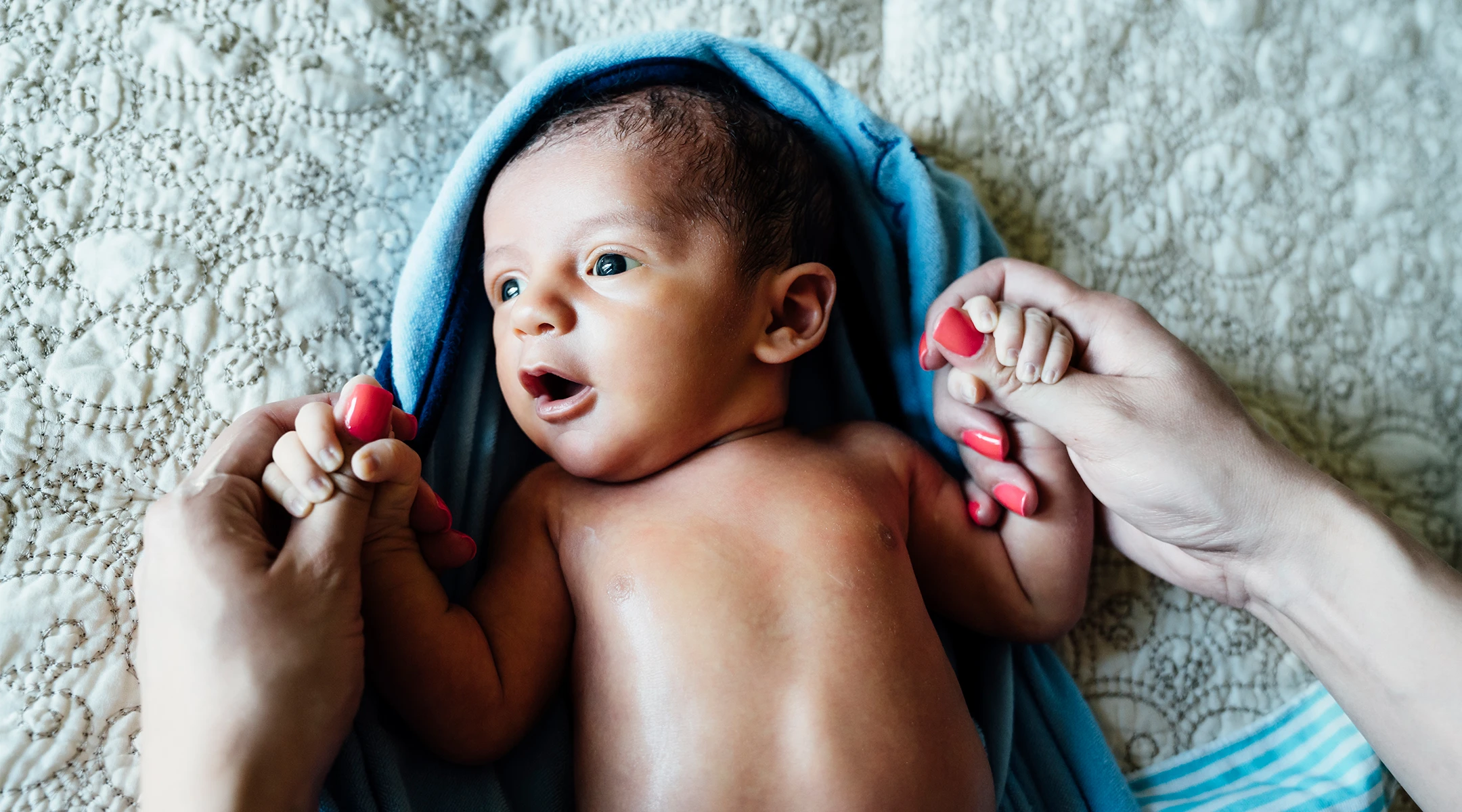
A newborn’s skin is a marvel of nature—soft, delicate, and uniquely thin. According to health experts, infant skin is significantly more permeable than adult skin, making it highly susceptible to environmental irritants, bacteria, and rapid moisture loss.
At ControlAnytime, we prioritize providing parents with science-backed protocols for daily care. Whether you are navigating the challenges of a stubborn diaper rash or searching for the safest moisturizing solutions, understanding the biological needs of your child’s skin is the first step toward long-term health.
1. Understanding the Infant Skin Barrier
The primary function of the skin is to act as a barrier. In infants, this barrier is still under development. According to the NHS, babies absorb substances through their skin more readily than adults, which is why product transparency is vital.
The Role of the Acid Mantle
Newborns are born with vernix caseosa, a waxy coating that helps establish the “acid mantle”—a thin, slightly acidic film that protects against harmful microbes. Over-washing or using alkaline soaps can strip this natural defense, leading to chronic dryness and inflammation.
2. Essential Daily Care: The “Less is More” Approach
A minimalist routine is often the most effective way to prevent irritation. Medical authorities like the Mayo Clinic suggest that over-bathing is a leading cause of infant skin issues.
-
Frequency: Limit full baths to three times a week for the first few months to preserve natural oils, provided the diaper area is cleaned thoroughly daily.
-
Temperature Control: Use lukewarm water between 37°C and 38°C. Excessively hot water can damage the skin’s lipid layer.
-
Gentle Drying: Always pat the skin dry with a soft cotton towel rather than rubbing, which can cause microscopic abrasions.
3. Managing Sensitive Skin: Ingredients to Avoid
When selecting a lotion for babies, the ingredient list is more important than the brand name. Clinical resources like Healthline warn against common additives that trigger contact dermatitis.
The “Avoid” List:
-
Synthetic Fragrances: Often listed simply as “parfum,” these are the leading cause of allergic reactions.
-
Parabens and Phthalates: Used as preservatives, these chemicals can potentially disrupt delicate hormonal balances.
-
Sulfates (SLS/SLES): Harsh foaming agents that strip moisture from sensitive skin.
4. Advanced Rash Care: Evidence-Based Solutions
Rashes are a common part of infancy, but effective rash care requires identifying the root cause—whether it is heat, friction, or moisture.
The “ABC” of Diaper Rash Management:
As recommended by the American Academy of Pediatrics, follow these steps to manage diaper irritation:
-
A – Air: Allow your baby “naked time” daily to let the skin dry completely.
-
B – Barrier: Apply a thick layer of zinc-oxide-based ointment to protect the skin from acidity.
-
C – Clean: Use water-saturated wipes or plain water instead of alcohol-based products.
Common Conditions: Baby Acne and Cradle Cap
Most “baby acne” is a result of maternal hormones and typically clears without intervention. For Cradle Cap (seborrheic dermatitis), the CDC recommends gently massaging the scalp with natural oil followed by a soft-bristled brush to remove scales.
See also
- The Essential Guide to Parenting Tips Raising Toddlers: Building a Lifetime of Connection
- The Complete Manual for Toddler Nutrition Feeding Toddlers: Raising Healthy and Adventurous Eaters
- The Ultimate Guide to Educational Games for Kids: Unlocking Potential through Fun Learning Activities
5. Environmental Factors: Toys and Gear
Skin health is influenced by everything your baby touches. Low-quality plastics or synthetic fabrics in toys and gear can trigger sensitivities.
At Babeshop.com, the focus is on utilizing BPA-free and non-toxic materials in their Educational Toys. Choosing items like silicone teethers or organic cotton plushies reduces the risk of chemical exposure for babies who explore the world with their mouths.
6. Choosing the Perfect Moisturizer
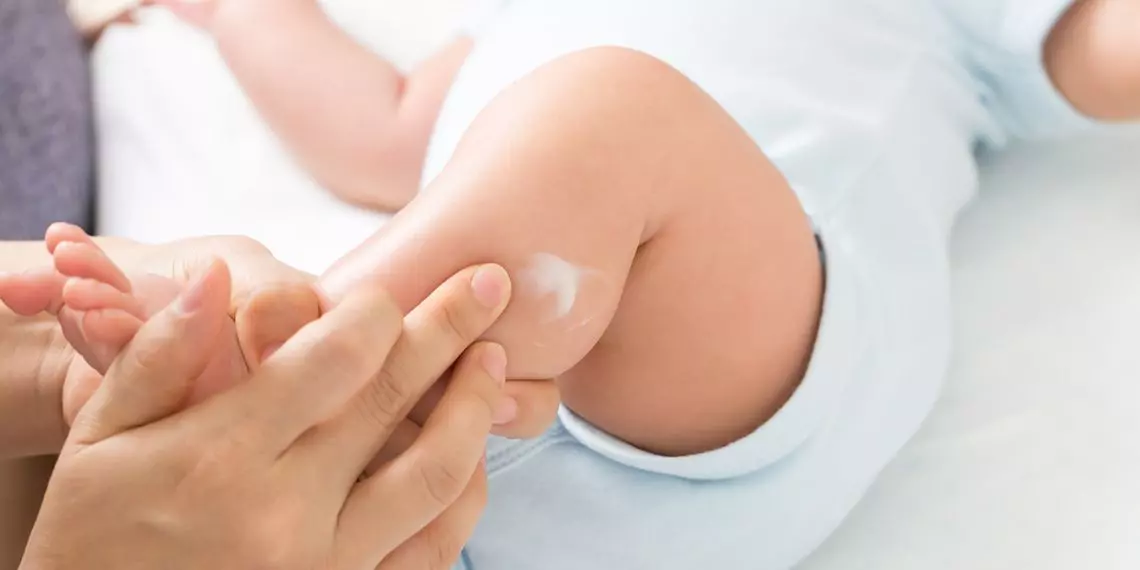
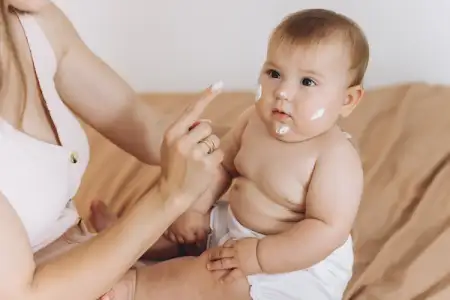
If your baby is prone to eczema or dry patches, choosing the right consistency is key.
-
Ointments vs. Lotions: Ointments have the highest oil content and are superior at locking in moisture.
-
The Three-Minute Rule: Apply a fragrance-free moisturizer within three minutes of bathing to “trap” hydration into the skin.
7. Sun Safety and UV Protection
A baby’s skin contains very little melanin, making it highly vulnerable to sun damage. The Skin Cancer Foundation provides clear guidelines for infants:
-
Under 6 Months: Keep infants out of direct sunlight. Utilize the protective canopies on high-quality strollers to provide full shade.
-
Over 6 Months: Use broad-spectrum, mineral-based sunscreens containing zinc oxide or titanium dioxide, which are less likely to irritate sensitive skin.
8. Clothing and Laundry: The Final Step
The fabrics your baby wears are in constant contact with their skin. To maintain a healthy barrier:
-
Choose Natural Fibers: Stick to 100% cotton or bamboo, which allow the skin to breathe and prevent heat rashes.
-
The Double-Rinse Cycle: Ensure your laundry routine includes an extra rinse to remove every trace of detergent, which can be a hidden irritant.
10. Conclusion: A Foundation of Health
Mastering baby skincare is a journey of observation and gentle intervention. By avoiding harsh synthetics, practicing proactive rash care, and choosing high-quality essentials from trusted sources like Babeshop, you are protecting your child’s health from the outside in.
At ControlAnytime, we believe informed parents raise healthier children. Are you ready to upgrade your child’s skincare routine with the safest products available?
Discover a curated selection of organic skincare and non-toxic essentials at Babeshop.com and give your baby the gentle care they deserve.