
The transition from infancy to the toddler years (ages 1 to 3) is a period of remarkable growth, but it is also the stage where “picky eating” and power struggles at the dinner table often begin. At ControlAnytime, we believe that understanding toddler nutrition is the key to reducing parental stress and ensuring your child gets the fuel they need for their boundless energy.
This guide provides an in-depth look at creating a balanced diet for kids, identifying the best healthy snacks, and overcoming common feeding hurdles.
1. Core Principles of Toddler Nutrition
Unlike infants who grow rapidly and consistently, toddlers grow in spurts. According to the , it is perfectly normal for a toddler’s appetite to vary from day to day.
Understanding the Toddler Capacity
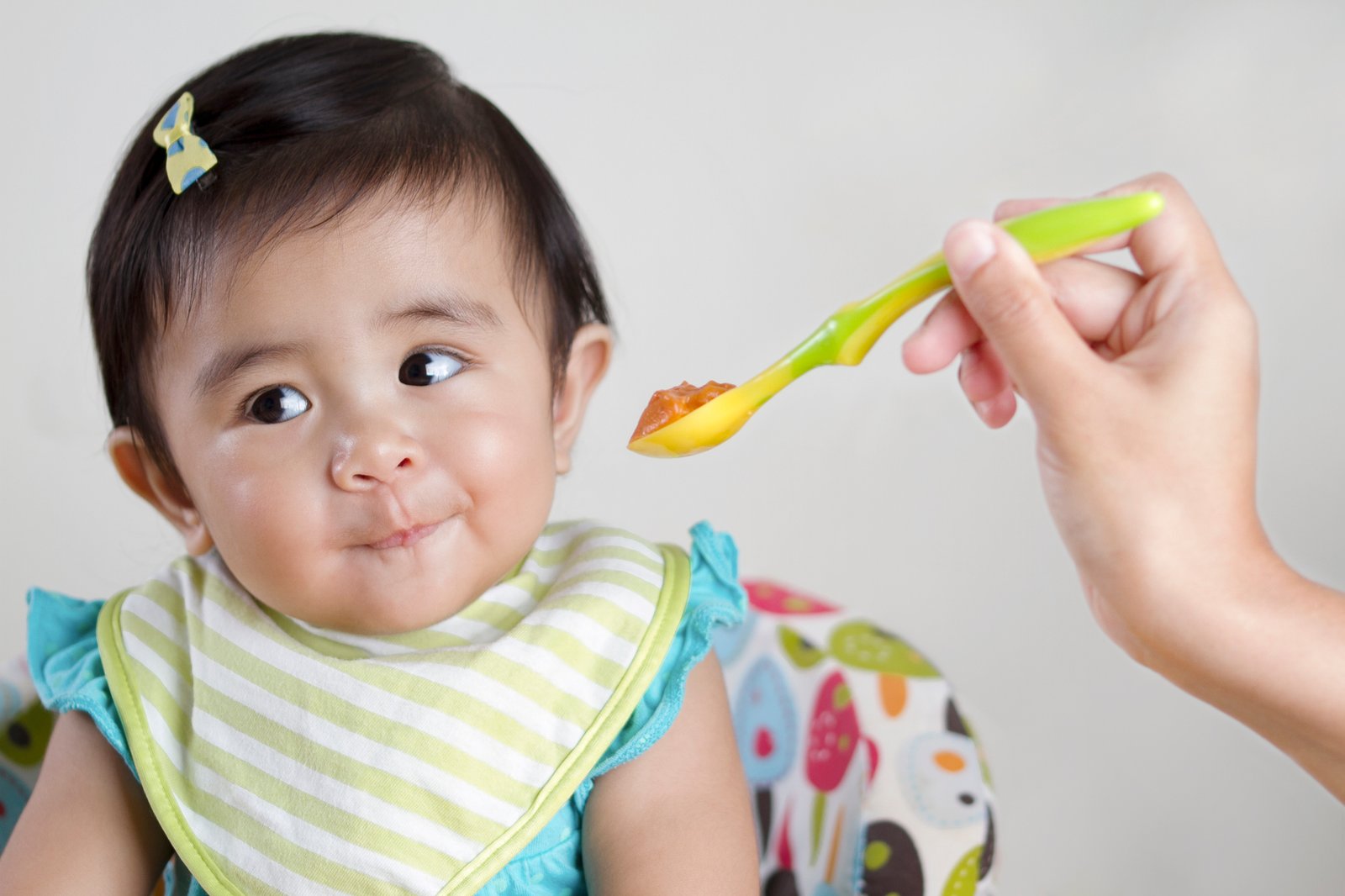
A toddler’s stomach is roughly the size of their clenched fist. Instead of three massive meals, feeding toddlers should focus on 5–6 small, nutrient-dense opportunities to eat throughout the day.
The Division of Responsibility (DoR)
The most successful approach to feeding, recommended by many pediatric nutritionists, is a clear division of roles:
-
The Parent’s Job: Decides what food is served, when, and where.
-
The Toddler’s Job: Decides how much they will eat (if at all).
2. Components of a Balanced Diet for Kids
A balanced diet for kids isn’t about counting calories; it’s about ensuring a variety of food groups are represented over the course of a week.
-
Proteins (The Builders): Lean meats, fish, eggs, and beans are essential for muscle and tissue repair.
-
Healthy Fats (The Brain Fuel): Brain development is still 80% complete by age 3. Include avocados, full-fat dairy, and nut butters.
-
Complex Carbohydrates: Whole-grain bread, oats, and brown rice provide slow-release energy for play.
-
Fruits and Vegetables: Aim for a “rainbow” of colors to ensure a wide spectrum of vitamins.
To support this developmental stage, having the right environment is vital. Using ergonomically designed feeding gear from Babeshop, tailored for ages 12 to 24 months, can help toddlers master the fine motor skills needed for self-feeding.
3. The Art of Healthy Snacks
Snacks are not “treats”; they are mini-meals that fill nutritional gaps. To maintain optimal toddler nutrition, snacks should ideally include at least two food groups:
-
Greek Yogurt Parfait: Full-fat yogurt topped with smashed berries.
-
Hummus and “Trees”: Steamed broccoli florets dipped in smooth hummus.
-
Apple Wedges & Cheese: A balance of calcium, healthy fats, and fiber.

See also
- The Ultimate Guide to Pregnancy Nutrition: Building Your Baby’s Future
- The Ultimate Guide to Smart Baby Monitors: How ControlAnytime Protects Your Baby 24/7
- AI Baby Monitors in 2026: How Artificial Intelligence Is Improving Child Safety
- Essential Baby Health Tips: A Comprehensive Guide to Newborn Care, Hygiene, and Safety
4. Overcoming Picky Eating: Strategies that Work
The most common challenge in feeding toddlers is the “beige food” phase. According to the , persistence is key.
-
The Rule of 15 Exposures: It can take up to 15 times for a toddler to see or smell a food before they are willing to taste it. Never force a bite; simply keep offering “micro-portions” alongside “safe foods” they already love.
-
Food Neutrality: Avoid using dessert as a reward for eating vegetables. This inadvertently teaches the child that vegetables are “work” and sugar is the “prize.”
5. Vital Nutrients and Hydration
When planning a balanced diet for kids, keep these “super-nutrients” in mind:
-
Iron: Found in spinach, red meat, and beans to prevent anemia.
-
Calcium & Vitamin D: Essential for bone density.
-
Fiber: Found in whole grains to prevent common digestive issues.
Fluid Intake: Water and full-fat milk are the only beverages a toddler truly needs. Limit fruit juice to no more than 120ml (4 ounces) a day to protect dental health and avoid a preference for overly sweet flavors.
6. Creating a Safe Dining Environment
As your toddler becomes more mobile, safety during mealtime is paramount:
-
Choking Hazards: Always cut grapes, cherry tomatoes, and large blueberries lengthwise.
-
Seated Eating: Never let a toddler “graze” while running. Choking is far more likely when a child is moving or distracted.
-
Engagement: Using character-themed plates or child-safe kitchen tools from Babeshop can turn a hesitant eater into a curious one by making the mealtime environment more inviting.
Conclusion: Patience is Your Best Ingredient
Mastering toddler nutrition is a journey of consistency. Trust the process, follow the biological cues of your child, and equip your home with the right resources to make healthy eating a natural part of their day.
At ControlAnytime, we are dedicated to helping you navigate these milestones with evidence-based advice. Are you ready to upgrade your toddler’s mealtime experience?
Discover a curated selection of ergonomic feeding gear, safety-certified high chairs, and developmental tools at today to support your child’s healthy growth.