
The transition from a milk-only diet to solid foods is one of the most exciting developmental milestones in a child’s first year. At ControlAnytime, we believe that providing the best baby food recipes is about more than just filling a tummy; it’s about setting the foundation for a lifetime of healthy eating habits.
In this comprehensive guide, we explore the art of preparing homemade baby food, the best purees for babies, and how to transition into healthy baby meals that support your child’s growth.
1. When to Start Solids: Signs of Readiness
Before diving into specific baby food recipes, it is crucial to understand the “Readiness Window.” Organizations like the NHS generally recommend starting solids around six months of age.
Signs Your Baby is Ready:
-
Head Control: They can hold their head steady and upright.
-
Sitting Up: They can sit with little to no support.
-
Loss of Tongue-Thrust Reflex: They no longer automatically push food out of their mouth.
-
Curiosity: They watch you eat and reach for your food.
Why Homemade? Preparing homemade baby food allows you to control the quality of ingredients, eliminate hidden preservatives, and introduce a wider variety of fresh flavors that commercial brands often lack.
2. Essential Equipment for Healthy Baby Meals
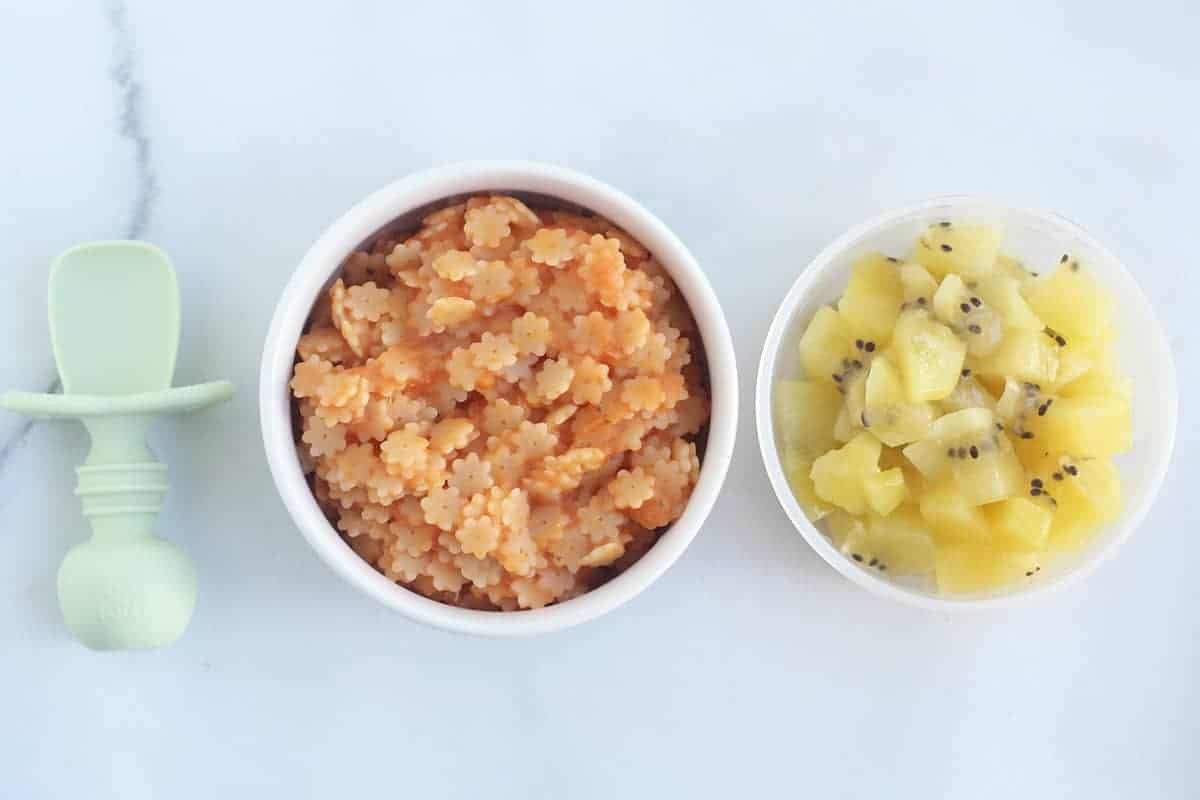
To create smooth purees for babies, you need tools that preserve nutrition. A high-quality steamer and blender are vital to keep water-soluble vitamins intact. Using BPA-free storage containers and soft-tip spoons ensures the process is safe and gentle.
For parents seeking reliable mealtime gear, Babeshop offers specialized “Silicon Feeding Sets” that are unbreakable and designed specifically for small hands, making the introduction of new baby food recipes a seamless experience.
3. Stage 1: The First Purees (6 Months)
At this stage, baby food recipes should be single-ingredient and “soupy” in consistency.
-
Avocado Smash: Rich in healthy fats for brain development.
-
Sweet Potato Silk: High in Beta-Carotene; steam until tender and blend.
-
Iron-Rich Pea Puree: Vital as a baby’s natural iron stores begin to deplete.
The 4-Day Rule: When introducing healthy baby meals, wait four days between new ingredients. As noted by Healthline, this helps identify any potential allergic reactions.
4. Stage 2: Flavor Combinations (7–9 Months)
Once your baby masters single ingredients, you can begin to thicken the consistency and combine flavors:
-
Apple and Spinach: The Vitamin C in apples helps the baby absorb iron from the spinach.
-
Chicken and Carrot: Introduce lean proteins by steaming thoroughly and blending into a fine paste.
Pro Tip: While salt and sugar are forbidden for infants, you can add mild spices like cinnamon or turmeric to your homemade baby food to expand their palate.
See also
- The Ultimate Guide to Pregnancy Nutrition: Building Your Baby’s Future
- The Ultimate Guide to Smart Baby Monitors: How ControlAnytime Protects Your Baby 24/7
- AI Baby Monitors in 2026: How Artificial Intelligence Is Improving Child Safety
- The Ultimate Guide to Mastering Your Baby Sleep Schedule: Science, Strategies, and Solutions
- Essential Baby Health Tips: A Comprehensive Guide to Newborn Care, Hygiene, and Safety
5. Stage 3: Chunky Mashes and Finger Foods (10–12 Months)
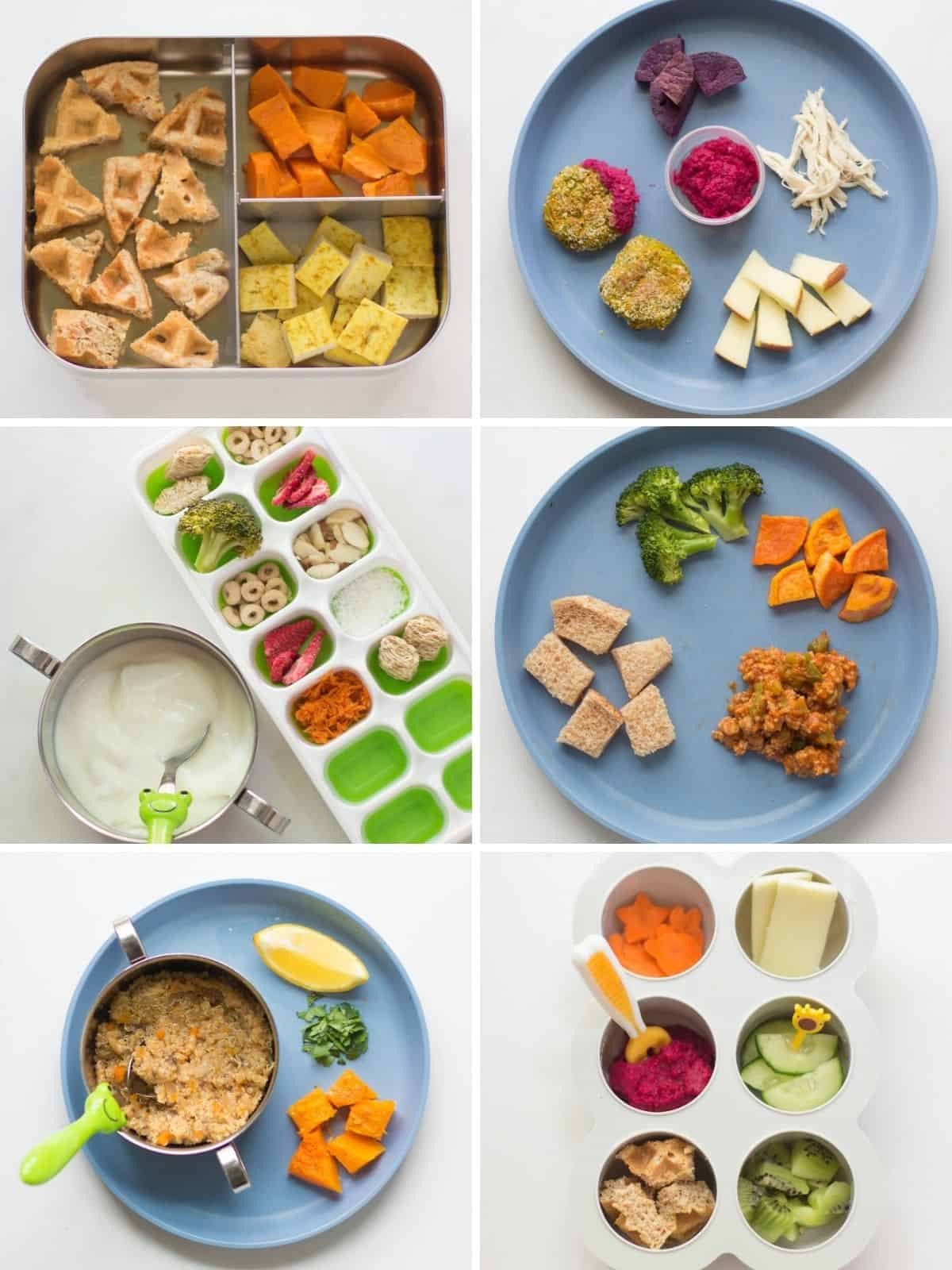
By 10 months, baby food recipes should transition to lumpy mashes to encourage “the pincer grasp” and chewing skills.
-
Roasted Broccoli Florets: Steam until they can be easily smashed between two fingers.
-
Mini Turkey Meatballs: Ensure they are soft and cut into pea-sized pieces.
6. Managing Allergens: A Modern Approach
Recent clinical studies highlighted by the CDC suggest that early introduction of common allergens, such as peanuts and eggs, can actually reduce the risk of developing allergies. Start with a tiny amount mixed into a familiar fruit puree and observe closely for any reaction.
7. Storage and Safety for Homemade Baby Food
Preparing healthy baby meals in bulk is a great time-saver, but safety is paramount:
-
Freezing: Use silicone ice cube trays to freeze purees for babies. Each cube is a perfect 1-ounce portion.
-
Shelf Life: Store in the refrigerator for up to 2 days or the freezer for 3 months.
-
Reheating: Always stir thoroughly and test the temperature on your wrist. Never “double-dip” a spoon into a storage jar, as bacteria from saliva can spoil the food.
8. Supporting Your Parenting Journey
When focusing on nutrition, having the right environment and tools is essential. From ergonomic high chairs to educational tools that keep your little one engaged during meal prep, having quality resources at hand simplifies the process. Babeshop serves as a comprehensive hub for these needs, offering a wide range of products for the 0-12 month stage.
9. Sample 7-Day Baby Meal Plan
| Day | Breakfast | Lunch | Dinner |
| Mon | Oat Cereal with Pear | Carrot & Lentil Puree | Mashed Banana |
| Wed | Apple & Blueberry Mash | Pea & Zucchini Puree | Pumpkin Puree |
| Fri | Pear & Cinnamon Puree | Turkey & Sweet Corn | Mashed Papaya |
Conclusion: Nurturing Your Baby’s Future
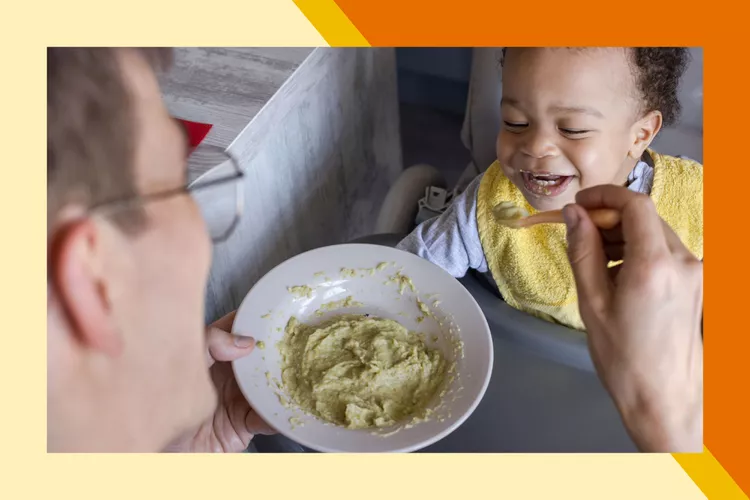
Crafting baby food recipes at home is a labor of love that ensures every bite is packed with the nutrients needed for physical and cognitive development. By prioritizing homemade baby food and utilizing high-quality gear, you are giving your child the best possible start.
At ControlAnytime, we are here to support you through every spoonful of this journey.
Ready to start your weaning journey? Explore our full collection of safe feeding sets and kitchen essentials at Babeshop.com today to find everything you need for your baby’s first meals.