
Pregnancy is a transformative journey—a nine-month marathon where your body performs the miraculous feat of building a new human life. During this period, your requirements for energy, vitamins, and minerals increase significantly. Understanding pregnancy nutrition is not about “eating for two” in terms of volume, but rather “eating twice as well” in terms of quality.
At ControlAnytime, we believe that a healthy start begins in the womb. This guide delves into the science of a diet during pregnancy, highlights the best healthy pregnancy foods, and explains the vital role of prenatal vitamins. To help you stay comfortable during this journey, we recommend prioritizing physical support and wellness essentials, such as those available at Babeshop.
1. The Core Pillars of Pregnancy Nutrition
Every nutrient you consume serves as a building block for your baby’s organs, bones, and brain. Proper nutrition also protects the mother from complications like gestational diabetes and extreme fatigue.
Macronutrients: The Big Three
-
Protein (The Builder): Essential for the growth of fetal tissue and the brain. According to the , protein also supports the expansion of uterine tissue.
-
Complex Carbohydrates: Focus on whole grains and legumes. They provide sustained energy and the fiber needed to combat pregnancy-related constipation.
-
Healthy Fats: Omega-3 fatty acids, particularly DHA, are crucial for the baby’s eye and brain development.
2. Essential Healthy Pregnancy Foods
A successful diet during pregnancy should be colorful and diverse. Include these powerhouse foods in your weekly rotation:
-
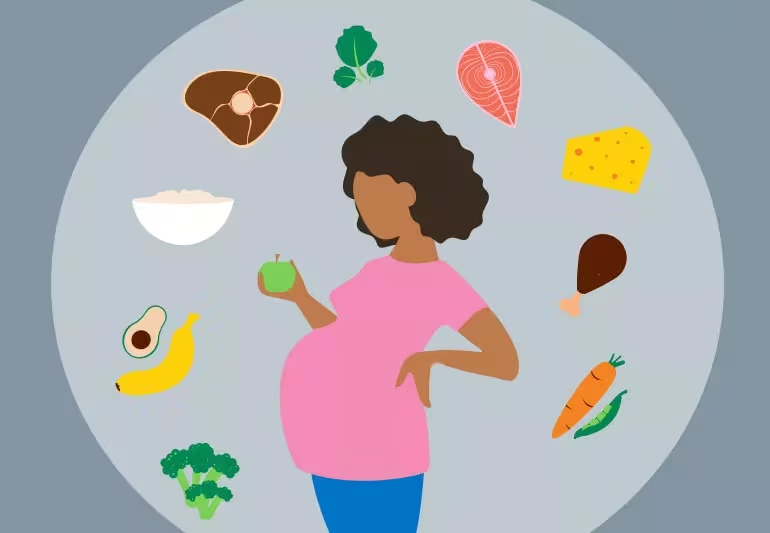
Leafy Greens (Spinach, Kale): Packed with fiber, Vitamin C, and Folate. Folate is critical in pregnancy nutrition because it helps prevent neural tube defects.
-
Lean Proteins (Salmon, Eggs): Eggs are a great source of choline, vital for brain health. Salmon provides essential omega-3s (ensure it is low-mercury and thoroughly cooked).
-
Dairy and Calcium-Rich Alternatives: Your baby needs calcium for strong bones. Greek yogurt is an excellent choice as it contains probiotics that support digestive health.
-
Berries and Citrus: High in Vitamin C, which helps your body absorb iron, as noted by .
3. The Role of Prenatal Vitamins
Even with a balanced diet, it can be difficult to reach the required levels of certain nutrients. Prenatal vitamins act as a safety net to ensure both mother and baby are fully supported.
-
Folic Acid: Ideally started before conception, it significantly reduces the risk of brain and spinal cord birth defects, according to the .
-
Iron: Supports the development of the placenta and helps your body make more blood to supply oxygen to the baby.
-
Iodine: Essential for healthy thyroid function and the baby’s nervous system development.
While you focus on internal health, external care is just as important. Utilizing skin-safe oils and comfortable maternity wear from Babeshop can help manage the physical changes of pregnancy with ease.
See also
- The Ultimate Guide to Pregnancy Nutrition: Building Your Baby’s Future
- The Ultimate Guide to Smart Baby Monitors: How ControlAnytime Protects Your Baby 24/7
- Smart Nurseries in 2026: How Technology is Revolutionizing Baby Safety
- AI Baby Monitors in 2026: How Artificial Intelligence Is Improving Child Safety
- The Ultimate Guide to Mastering Your Baby Sleep Schedule: Science, Strategies, and Solutions
4. Pregnancy Nutrition by Trimester
Your nutritional needs evolve as your baby grows. A diet during pregnancy should be adaptable:
-
First Trimester: Focus on Folate-rich foods and ginger for nausea. Caloric needs don’t increase much yet, so focus on quality and hydration.
-
Second Trimester: Often called the “honeymoon phase.” You need approximately 340 extra calories per day. Focus on Calcium and Magnesium.
-
Third Trimester: The baby is gaining weight rapidly. You need about 450 extra calories per day. Focus on Vitamin K and DHA.
5. Hydration: The Forgotten Nutrient
Water is often overlooked in discussions about pregnancy nutrition. However, your blood volume increases by about 50% during this time. Proper hydration helps form amniotic fluid, reduces the risk of UTIs, and prevents swelling (edema). Aim for 8–12 cups of water daily.
6. Safety First: Foods to Avoid
Part of a healthy pregnancy food strategy is knowing what to exclude to avoid bacteria like Listeria or Salmonella:
-
Raw or Undercooked Meat: Avoid sushi or rare steaks.
-
Unpasteurized Dairy: Avoid soft cheeses like brie unless labeled pasteurized.
-
High-Mercury Fish: Steer clear of shark, swordfish, and king mackerel.
-
Excessive Caffeine: Limit intake to 200mg per day (about one cup of coffee).
7. Managing Cravings and Aversions
Cravings are normal due to hormonal shifts.
-
For sweets: Reach for fruit or dark chocolate.
-
For salt: Choose nuts or olives.
-
Pica: If you crave non-food items like clay or ice, contact your doctor immediately, as this can be a sign of a nutritional deficiency like iron.
As you prepare for your baby’s arrival, keeping your environment organized is key. Babeshop provides a wide range of nursery furniture and maternity essentials to ensure you are fully prepared for the transition.
Conclusion: A Healthy Start
Your commitment to pregnancy nutrition is the very first gift you give to your child. By focusing on a balanced diet during pregnancy, prioritizing healthy pregnancy foods, and staying consistent with your prenatal vitamins, you are building a foundation for a healthy life.
At ControlAnytime, we provide the knowledge, and at Babeshop, they provide the essential gear to support your journey. Whether it’s a supportive nursing bra or the perfect crib, having the right resources makes all the difference.
Explore the curated maternity and baby collections at today to prepare for the joy of motherhood with confidence and comfort.