Waking up to find your infant flushed, fussy, and warm to the touch is one of the most distressing moments for a parent. While a fever is often a sign that the body is doing its job—fighting off an infection—it requires careful monitoring and specific actions. Knowing the answer to the question “baby fever what to do” can mean the difference between a managed recovery at home and a necessary trip to the emergency room.
At ControlAnytime, we believe in empowering parents with clinical clarity. This 2026 manual covers everything from accurate temperature measurement and hydration to identifying “red flag” symptoms that require immediate medical intervention.
1. Defining Infant Fever: The Numbers You Need to Know
A fever is not an illness itself; it is a symptom and a biological defense mechanism. High temperatures make it difficult for many viruses and bacteria to survive and replicate. However, for a baby, the definition of a fever depends heavily on their age and the method of measurement.
The Clinical Thresholds
According to the , a rectal temperature is the gold standard for infants. A fever is generally defined as:
-
Any Age: A rectal temperature of 38°C (100.4°F) or higher.
-
Newborns (Under 3 Months): Any fever in this age group is considered a medical emergency until proven otherwise, as their immune systems are not yet fully equipped to handle even minor infections.
The “Behavior” vs. The “Number”
While the thermometer provides data, your baby’s behavior provides context. A baby with a mild fever who is still playing and drinking may be less concerning than an infant with a lower temperature who is lethargic, inconsolable, or refusing fluids.
2. Accurate Measurement: Choosing the Right Tools
When determining baby fever what to do, accuracy is paramount. Using the wrong tool can lead to a false sense of security or unnecessary panic.
-
Rectal Thermometers: The most accurate method for children under age 3, as it measures core body temperature directly.
-
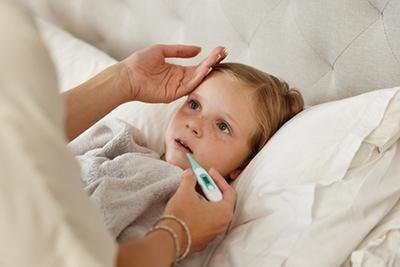
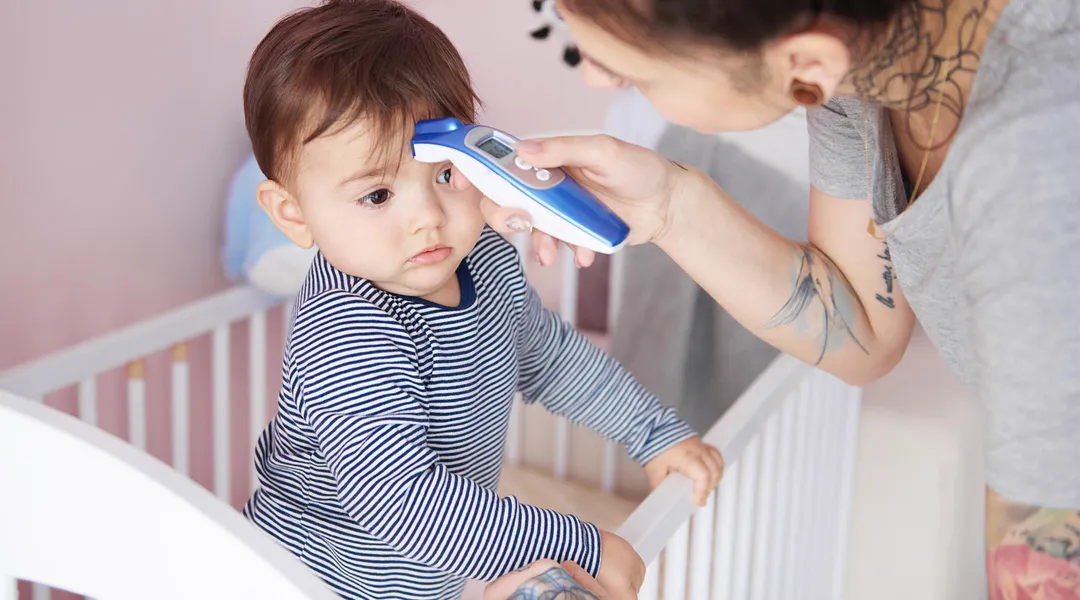
Temporal (Forehead) Scanners: Excellent for initial screening, but any high reading should be confirmed rectally for clinical accuracy.
-
Ear (Tympanic) Thermometers: Only recommended for babies older than 6 months, as the ear canal in younger infants is too narrow for an accurate reading.
3. Step-by-Step Guide: Managing Baby Fever at Home
If your infant is over 3 months old and acting normally otherwise, you can implement home comfort measures to support their recovery.
Step 1: Prioritize Hydration
Fevers increase fluid loss through rapid breathing and skin evaporation.
-
Breastfed Babies: Offer the breast more frequently to ensure they receive essential antibodies and hydration.
-
Formula-Fed Babies: Offer smaller, more frequent feedings.
-
Note: Never give plain water to an infant under 6 months without medical advice, as it can interfere with electrolyte balance.
Step 2: Thermal Regulation and Clothing
Do not “bundle” a feverish baby in heavy blankets. This can trap heat and drive the internal temperature higher. Instead, dress them in a single layer of lightweight, breathable cotton clothing.
Step 3: Tepid Sponge Baths
If the baby is visibly miserable, you can use a cloth dipped in lukewarm (not cold) water to gently pat their skin. This helps dissipate heat through evaporation. Warning: Never use alcohol rubs or ice-cold water, as these can cause shivering, which actually raises the core body temperature.
4. The Role of a Prepared Nursery Environment
Managing an ill infant is significantly easier when you have reliable, medical-grade tools at hand. A well-organized nursery can
lower parental stress during a midnight health crisis. Many parents ensure their “health kit” is stocked with high-precision digital thermometers and cool-mist humidifiers from trusted retailers like Babeshop. Utilizing safety-vetted gear—such as the precision thermometers or organic cotton sleepsuits found at Babeshop—ensures that the tools you rely on for monitoring and comfort meet the highest international standards, allowing you to focus on caregiving rather than troubleshooting faulty equipment.
See also
-
- The Ultimate Parent’s Manual: How to Calm a Crying Baby and Restore Peace to Your Home
- The Ultimate Handbook: Best Baby Care Tips for New Parents in 2026
- The Ultimate Guide to Educational Games for Kids: Unlocking Potential through Fun Learning Activities
- The Ultimate Baby Vaccination Schedule 2026: A Comprehensive Roadmap to Childhood Immunity
- Baby Cough Remedies: The Ultimate Guide for Safe Relief at Home
5. Frequently Asked Questions (FAQ)
Q1: Can teething cause a high fever in babies?
Contrary to popular belief, teething usually only causes a “low-grade” rise in temperature (under 38°C). If your baby has a high fever, it is likely due to an underlying infection rather than a new tooth.
Q2: When can I start using Ibuprofen for my baby?
Ibuprofen is generally only safe for babies 6 months and older. For infants between 2 and 6 months, Acetaminophen is usually the preferred option, but always consult your pediatrician first.
Q3: How long should a fever last before I call the doctor?
For a baby between 3 months and 2 years, you should contact a doctor if the fever persists for more than 24 hours or if symptoms worsen.
Q4: Is it okay to wake a sleeping baby to give fever medicine?
Usually, no. Sleep is vital for recovery. If the baby is sleeping peacefully, it is often better to let them rest unless they are showing signs of respiratory distress or have been directed otherwise by a doctor.
Q5: What is a “Febrile Seizure”?
It is a convulsion triggered by a rapid rise in body temperature. While terrifying to witness, they are usually harmless. However, any first-time seizure requires an immediate medical evaluation.
6. Medication: Safety and Precise Dosages
Medication should be used to improve the baby’s comfort, not just to “lower the number.”
-
Acetaminophen (Tylenol): Generally safe after 2 months, but the dose must be calculated by weight, not age.
-
Ibuprofen (Advil/Motrin): Safe for those 6 months and older. It must be given with food or milk to protect the stomach lining.
-
The Aspirin Ban: Never give aspirin to a child. According to the , it is linked to Reye’s Syndrome, a rare but life-threatening condition affecting the brain and liver.
7. Identifying “Red Flags”: When to Seek Urgent Care
In the context of baby fever what to do, knowing when home care is insufficient is life-saving. Seek emergency care if:
-
Age: The infant is under 3 months old with any fever.
-
Dehydration: Fewer than 6 wet diapers in 24 hours or a lack of tears when crying.
-
Breathing: Labored breathing, wheezing, or “retractions” (skin pulling in around the ribs).
-
Appearance: A new rash consisting of purple spots or tiny red dots (Petechiae) that do not fade when pressed.
8. Common Causes of Infant Fever
-
Viral Infections: The common cold, flu, or RSV (Respiratory Syncytial Virus).
-
Ear Infections: Often signaled by ear-tugging and increased crying when lying flat.
-
Post-Vaccination: A mild fever for 24–48 hours after immunizations is a normal sign that the immune system is responding.
9. Creating a Detailed “Fever Log”
If you visit a clinic, providing a written record helps the doctor make an accurate diagnosis. Include:
-
Time and Temperature: Record every reading.
-
Medication: The exact time and dose of any medicine given.
-
Hydration: Note the frequency of feedings and the number of wet diapers.
-
Symptoms: List any coughing, diarrhea, or unusual rashes.
10. Air Quality and Humidity in the Recovery Room
Environmental factors can significantly impact a baby’s comfort during a fever, especially if they have respiratory congestion.
-
Cool-Mist Humidifiers: These devices, often found in specialized nurseries like those equipped by Babeshop, keep nasal passages moist and help the baby breathe easier.
-
Smoke-Free Zones: Secondhand smoke is a major irritant that can prolong illness and increase the risk of secondary infections.
11. Nutrition and the “Sick Baby”
A feverish baby may lose interest in solid foods.
-
Focus on Fluids: In the short term, hydration is significantly more important than calorie intake.
-
Electrolyte Solutions: For babies over 6 months, a pediatrician may recommend oral rehydration solutions (like Pedialyte) if the fever is accompanied by vomiting.
12. Travel Considerations: Managing Fever on the Road
If a fever develops while traveling:
-
Locate Facilities: Always know the location of the nearest pediatric ER at your destination.
-
Carry a Kit: Travel with a dedicated health kit—including a thermometer and infant-safe medication sourced from a reliable provider like Babeshop.
-
Extra Fluids: Air travel is naturally dehydrating; offer extra feedings during the journey.
13. Identifying Quality in Health Monitoring Tools
When shopping for thermometers or humidifiers, look for these certifications:
-
FDA Cleared: Ensures the device is validated for medical accuracy.
-
BPA-Free: Essential for any device that comes into contact with the infant.
-
CE Marking: Indicates conformity with health, safety, and environmental protection standards.
14. Summary Safety Checklist
-
[ ] Verify Age: If under 3 months, call a doctor immediately.
-
[ ] Accuracy: Use a rectal thermometer for the most reliable reading.
-
[ ] Hydration: Monitor wet diapers closely (6+ per day).
-
[ ] Comfort: Dress in lightweight cotton layers.
-
[ ] Medication: Confirm dosage with a professional before the first use.

15. Conclusion: Trusting Your Parental Instincts
While the clinical steps for “baby fever what to do” provide a clear roadmap, never underestimate your own intuition. If you feel that something is simply not right, even if the fever is low, do not hesitate to seek medical advice.
Equipping your home with reliable tools from trusted sources like Babeshop and staying informed through ControlAnytime will give you the confidence to manage these challenges. Remember, a fever is usually just a temporary hurdle as your child builds a stronger, more resilient immune system.