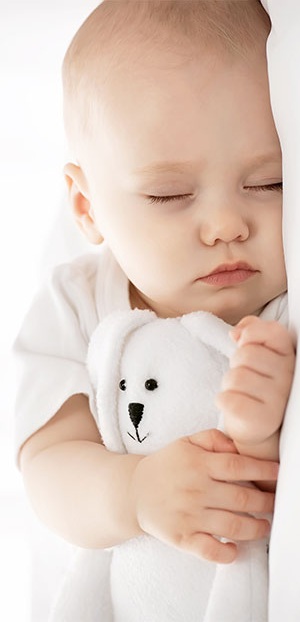
Baby Sleep Training: Effective Methods for Better Nighttime Sleep
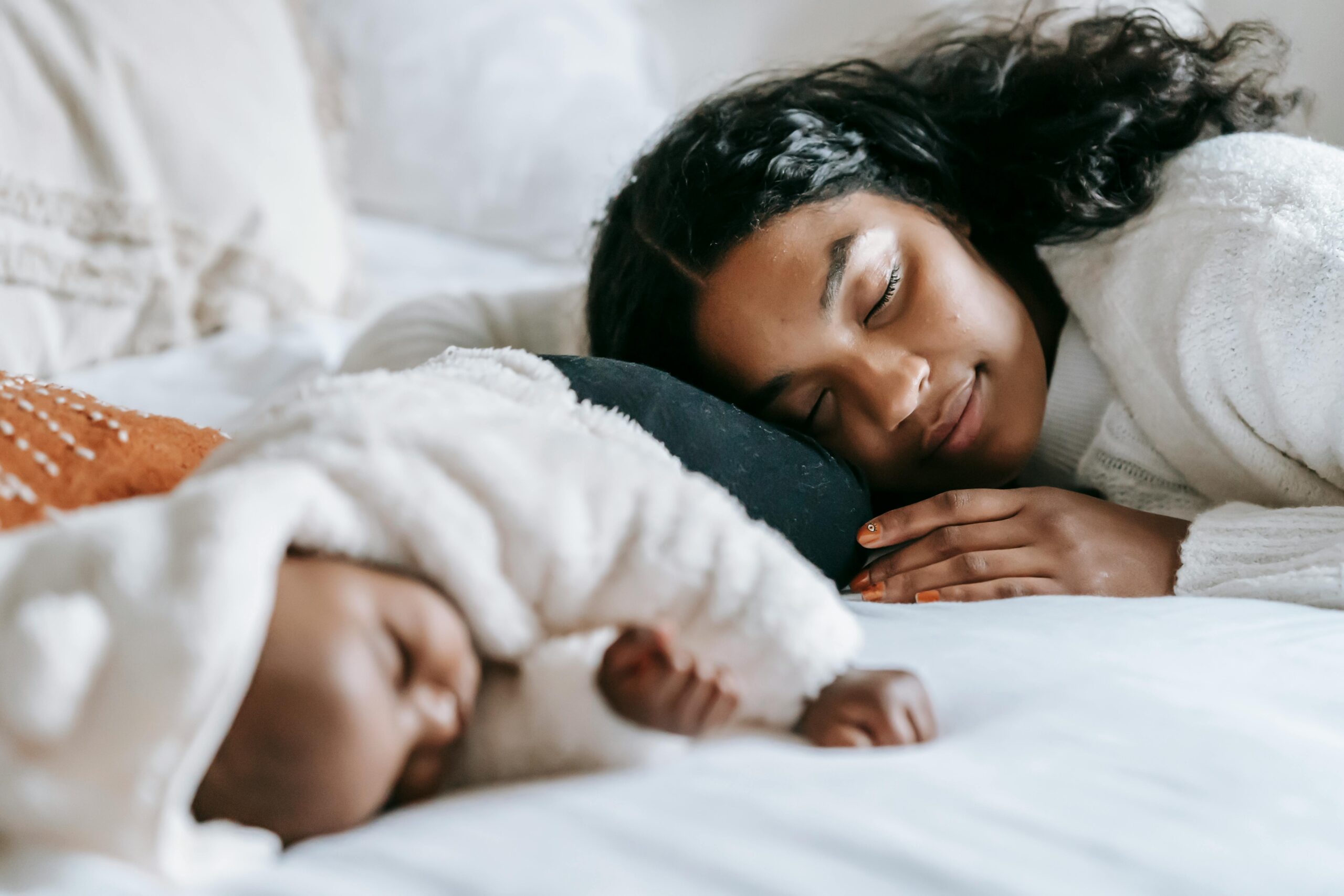
Getting your baby to sleep through the night is one of the biggest challenges for new parents. Sleep training can help establish healthy sleep patterns and improve rest for both baby and caregivers. Understanding different methods and selecting the one that fits your family is key to success.
Why Sleep Is Important for Babies
Sleep is crucial for your baby’s brain development, emotional regulation, and physical growth. Infants who get adequate sleep show better mood, cognitive skills, and overall health. Establishing a sleep routine early lays the foundation for lifelong healthy habits.
Signs Your Baby Is Ready for Sleep Training
Look for cues such as consistent nap times, predictable sleep patterns, and the ability to self-soothe. Most babies are ready for sleep training between 4–6 months, but every child is different.
Popular Sleep Training Methods
1. The Ferber Method: Gradual “cry it out” approach with timed check-ins. This teaches babies to self-soothe while ensuring comfort and safety.
2. The Chair Method: Parents sit beside the crib and gradually move farther each night until the baby falls asleep independently.
3. Pick Up/Put Down Method: Gently pick up the baby when they cry, then put them back in the crib once calm. Repeat until the baby learns to sleep on their own.
Establishing a Bedtime Routine
Consistent routines signal to your baby that sleep time is approaching. Include activities like a warm bath, feeding, reading a short story, or singing lullabies. Keeping the same order nightly helps the baby recognize sleep cues.
Tips for Successful Sleep Training
- Keep the room dark and quiet
- Use white noise machines if needed
- Offer comfort items like a soft blanket or pacifier
- Ensure baby is well-fed before bedtime
- Be consistent and patient
When to Seek Professional Help

If your baby has trouble sleeping beyond normal age expectations, shows signs of discomfort, or develops irregular sleep patterns, consult a pediatrician. Medical issues like reflux or allergies can affect sleep quality.
Conclusion
Sleep training can help babies develop healthy sleep habits, making nights more peaceful for the entire family. Choose a method that suits your child, remain consistent, and celebrate progress as your baby learns to sleep independently.