Baby Fever: Causes, Symptoms, and When to See a Doctor

Baby fever can be frightening for parents, especially during the first year of life. However, fever is often a natural response that helps the body fight infection. Understanding the causes, symptoms, and safe management of fever in babies can help parents respond calmly and appropriately.
What Is Considered a Fever in Babies?
A baby is considered to have a fever when their temperature reaches 100.4°F (38°C) or higher. For infants under three months, any fever should be evaluated by a healthcare professional immediately.
Common Causes of Baby Fever
Fever in babies is usually caused by viral infections such as colds or flu. Bacterial infections, ear infections, or reactions to vaccinations may also cause a temporary increase in body temperature.
Symptoms That May Accompany Fever
In addition to elevated temperature, babies may show signs such as irritability, decreased appetite, excessive sleepiness, or mild dehydration. Monitoring these symptoms helps determine whether medical care is necessary.
Safe Ways to Manage Baby Fever
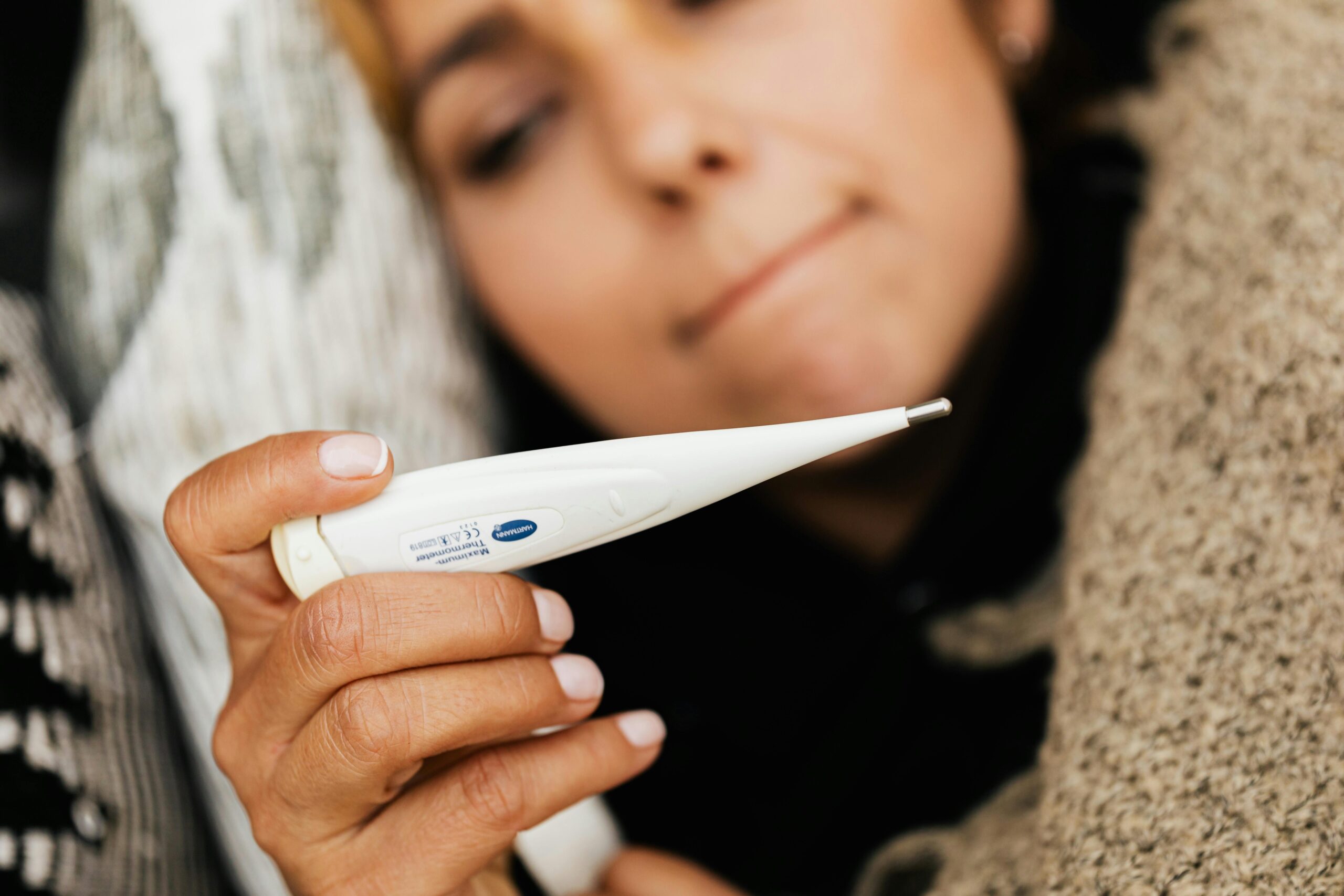
Dress your baby in lightweight clothing and keep the room comfortably cool. Offer frequent feedings to prevent dehydration. Never give medication without consulting a pediatrician, especially for infants under six months.
When to See a Doctor
Seek immediate medical attention if your baby is younger than three months with a fever, has difficulty breathing, persistent vomiting, a rash, or appears unusually lethargic. Trust your instincts if something feels wrong.
Conclusion
While baby fever is often harmless and temporary, careful monitoring and timely medical consultation ensure your child’s safety. Staying informed empowers parents to respond confidently and protect their baby’s health.